
Frankincense tree
Boswellia sacra Flueck.
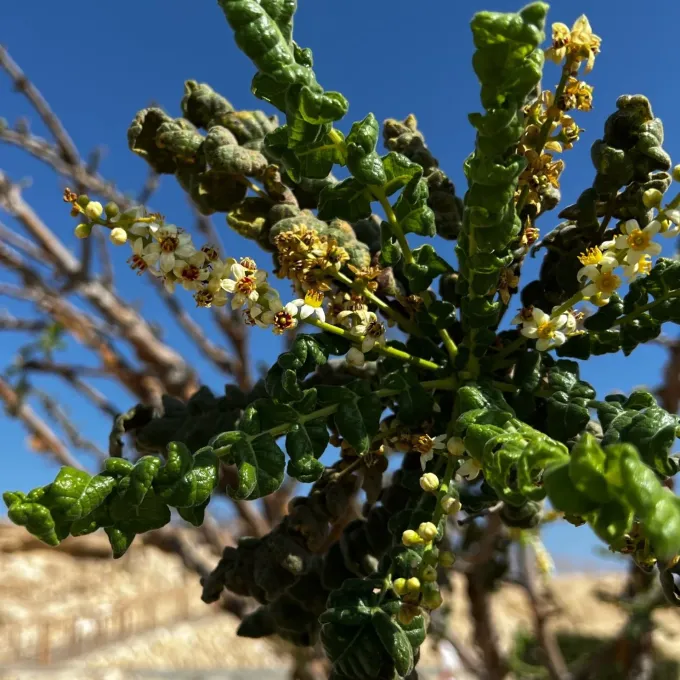
Description
Growing requirements
Boswellia sacra is a member of the Burseraceae family, native to the arid limestone regions of Oman, Yemen, and parts of Somalia. This tree is uniquely adapted to thrive in harsh, rocky environments with minimal soil depth.
Cultivation requirements focus on intense solar radiation and excellent soil aeration. The species is highly sensitive to waterlogging, which can cause rapid root rot and tree decline, making well-drained slopes the ideal location for plantations.
Temperatures must remain consistently warm throughout the year, as the plant cannot tolerate frost or extreme cold. In controlled environments, growers must ensure stable conditions to replicate the hot, dry climate of its natural habitat.
Water management is the most critical aspect of the plant's agrotechnics. While the tree can survive severe droughts, strategic moisture levels during specific growing phases are essential for the production of healthy sap.
Propagation is typically carried out via seeds or cuttings in specialized nursery conditions. Establishing a new plantation requires patience and careful monitoring of young saplings before they are transitioned to the open field.
Yield
The primary yield from Boswellia sacra is the fragrant resin known as frankincense. Harvesting involves making careful, superficial incisions in the bark, allowing the sap to exude and harden into resin tears over several weeks.
The harvesting process begins once the tree is mature, typically between 8 and 10 years of age. A healthy, well-maintained tree can produce several harvests per year, provided the tree is given sufficient recovery periods between tapping sessions.
Annual yields vary depending on climatic factors and the health of the individual tree, averaging roughly 200 to 500 grams per tree per season. The quality of the resin is highly prized in global perfumery and pharmaceutical sectors.
Post-harvest processing includes cleaning and sorting the resin based on purity, color, and aroma strength. High-grade frankincense is determined by its clarity and the concentration of essential compounds known as boswellic acids.
The economic value of this crop is sustained by the increasing demand for natural anti-inflammatory products derived from frankincense oil, which is extracted through steam distillation of the raw resin.
Main diseases and pests
Pests such as bark-boring insects represent a significant threat to the trees, especially when the bark has been weakened by frequent tapping. Regular inspection of the incision sites is necessary to detect infestations early.
Fungal diseases are a major cause of mortality, particularly in regions where humidity levels are higher than those of the native desert environment. Proper spacing and airflow are crucial to mitigate these risks.
Over-tapping is a primary management error that leads to physiological stress and reduced resin yield over time. Strict adherence to harvesting cycles is required to maintain the tree's health and longevity.
Integrated pest management strategies focusing on biological controls are preferred to avoid chemical contamination of the resin, which is often used in medical applications.
External factors such as grazing by local livestock pose a threat to young plantations. Protecting the young trees until they reach a sufficient height is vital for the successful establishment of the crop.