
Holoptelea integrifolia
Holoptelea integrifolia
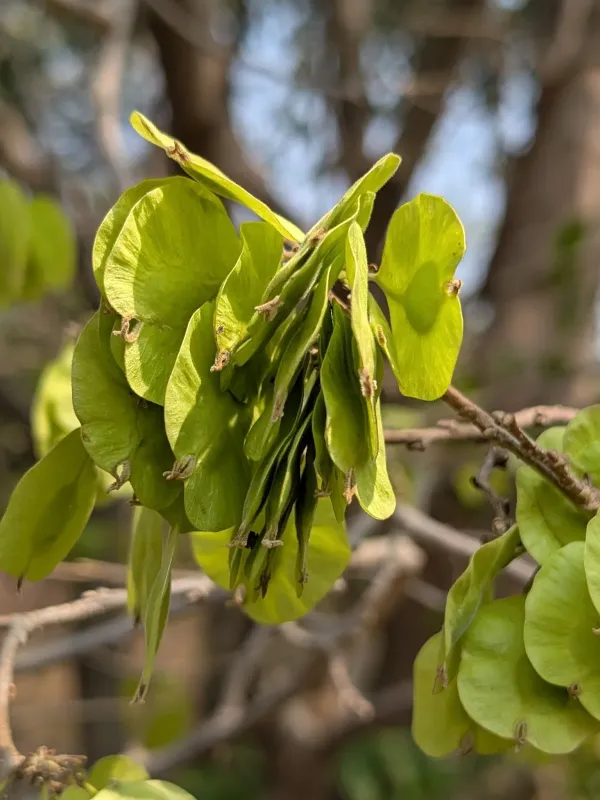
Description
Growing requirements
Holoptelea integrifolia, commonly known as the Indian elm, is a large deciduous tree belonging to the Ulmaceae family. It is renowned for its rapid growth rate and ability to adapt to diverse tropical environmental conditions in its native Asian range.
The tree typically reaches heights of up to 30 meters. Its leaves are simple, alternate, and leathery, providing a dense canopy. The tree is often found in moist deciduous forests, demonstrating significant plasticity in soil preferences ranging from alluvial to sandy loams.
Cultivation requires exposure to full sunlight for optimal development. While the species is drought-tolerant once established, providing adequate irrigation during the juvenile stage significantly improves survival rates and total biomass production.
Regarding soil management, it prefers deep, well-drained substrates. It is widely recognized for its soil-binding properties, making it an excellent candidate for slope stabilization and land restoration projects in degraded agricultural areas.
Economic uses include the production of high-quality timber for carpentry, light construction, and plywood. Furthermore, the species is integrated into agroforestry systems as a sustainable source of fodder and raw materials for the pharmaceutical industry.
Main diseases and pests
Fungal infections, particularly powdery mildew and leaf spot diseases, represent the most common threats to Holoptelea integrifolia. Proper spacing between trees is essential to ensure adequate airflow and reduce pathogen proliferation.
Stem-boring insects can cause structural damage to the trunk, potentially weakening the tree against windthrow. Integrated pest management strategies, including the manual removal of infested branches, are highly recommended.
Root rot pathogens become prevalent in waterlogged soils. Maintaining proper soil drainage and avoiding over-irrigation are critical preventative measures to ensure long-term plantation health.
Defoliating insects can significantly impact the photosynthetic capacity of younger trees. Regular monitoring during the peak growing season allows for early detection and targeted intervention if necessary.
Overall, maintaining tree vigor through balanced fertilization and sanitation measures remains the primary defense against the majority of biotic and abiotic threats to this tree species.