
Huodendron tibeticum
Huodendron tibeticum
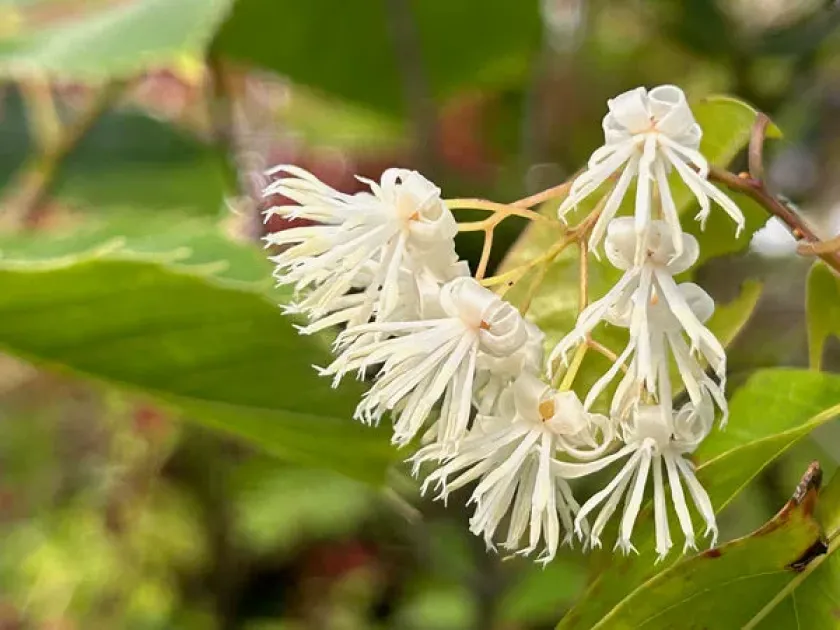
Description
Growing requirements
Huodendron tibeticum is a distinctive tree species belonging to the Styracaceae family. Native to the mountainous regions of Tibet, China, and Southeast Asia, it occupies a specialized ecological niche in humid, subtropical forest landscapes.
The botanical structure of this species is marked by slow growth rates and high-density wood. Its foliage is evergreen, with leaves adapted to thrive in filtered light conditions, which provides excellent shade-casting capabilities in ornamental landscape design.
Cultivation requires acidic to neutral, well-draining soils rich in organic matter. Avoid heavy clay or waterlogged sites, as the root system is particularly sensitive to anaerobic conditions, which can lead to rapid fungal decay in the root crown.
Climate requirements include high atmospheric humidity and protection from harsh, drying winds. While it is adapted to subtropical zones, cultivation in cooler regions necessitates microclimate management, such as sheltered placement near building walls or windbreaks.
Regarding agricultural utilization, the species is primarily valued in arboreta and specialized botanical collections. Its slow growth suggests a high potential for sustainable wood harvesting in specific regions, although it is currently not a commercial timber crop.
Main diseases and pests
Fungal root rots represent the primary physiological threat to the species, usually precipitated by poor drainage or excessive irrigation cycles. Integrated management involves monitoring soil moisture levels and ensuring proper site drainage.
Sap-sucking pests, specifically aphids and scale insects, often infest young twigs during the spring flush. Systematic application of horticultural oil or approved systemic insecticides is effective in managing these outbreaks before damage occurs.
Leaf spot diseases may appear during seasons of prolonged rainfall if air circulation around the canopy is inadequate. Pruning branches to ensure light and air penetration is a crucial prophylactic measure for this ornamental tree.
Nematodes are known to cause stunted growth and chlorosis in saplings when planted in contaminated soil. Proper site preparation and the use of healthy, nursery-certified rootstocks are essential to mitigate the risk of nematode infestation.
Secondary infections of the vascular tissue can follow physical damage to the trunk. Protecting the bark from mechanical injury and rodent damage is necessary to maintain the long-term health of the specimen in garden environments.