
Huodendron biaristatum
Huodendron biaristatum
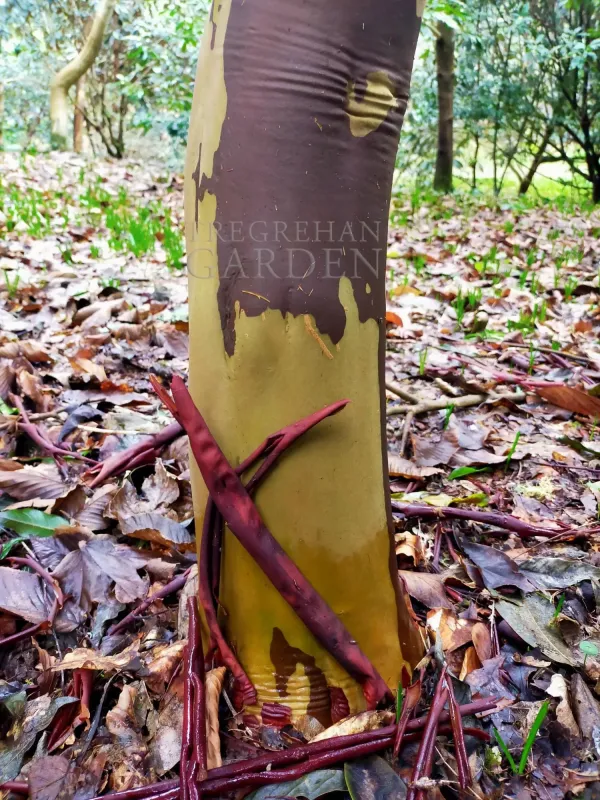
Description
Growing requirements
Huodendron biaristatum is a rare woody species belonging to the Styracaceae family. Native to the mountainous forest regions of Southeast Asia, including parts of China and Myanmar, it thrives in environments that offer consistent humidity and stable temperatures.
The cultivation of this plant requires well-draining, nutrient-rich soil with a slightly acidic profile. Proper site selection is crucial, as the tree performs best in areas with partial shade, mimicking the conditions of its native tropical or subtropical forest canopy.
Botanically, the species is defined by its simple, alternate leaves and small, fragrant flowers arranged in panicles. The architecture of the tree is typically upright, requiring sufficient space to allow the crown to develop its natural, elegant spread.
Environmental requirements are quite specific: the species demands a frost-free climate with high atmospheric humidity. In colder zones, growers must utilize greenhouse infrastructure to maintain the warm, moist environment essential for the plant's metabolic functions.
Beyond its ornamental appeal, the species holds significance in local forest ecosystems and niche craft wood production. Its wood is appreciated for its structural density, which is characteristic of many members within the Styracaceae botanical grouping.
Main diseases and pests
The primary threats to Huodendron biaristatum include waterlogging of the root zone, which leads to fungal infections. Additionally, susceptibility to specific leaf-chewing insects requires an integrated pest management approach during the spring vegetation flush.