
Matayba guianensis
Matayba guianensis
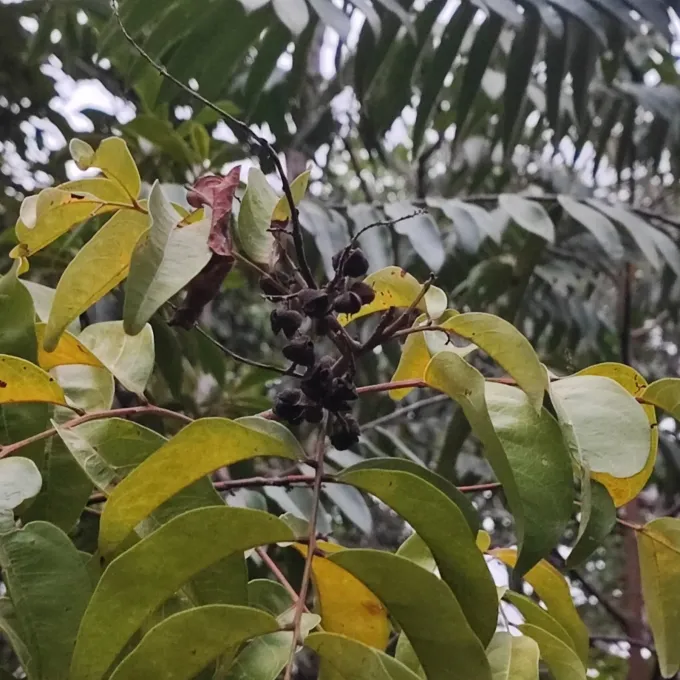
Description
Growing requirements
Matayba guianensis is a prominent species within the Sapindaceae family. This evergreen tree is widely distributed across the tropical regions of Central and South America, ranging from Mexico to Brazil.
The tree typically grows in diverse forest ecosystems, showing preference for well-drained, nutrient-rich soils. It can adapt to varying moisture levels but performs best in environments with high annual rainfall and stable tropical temperatures.
Botanically, the species is characterized by its pinnate leaves and dense, robust foliage. As a tropical tree, it plays a vital role in maintaining the microclimate of the forest understory during its early growth stages.
Climatic requirements are specific to the tropics, requiring no exposure to freezing temperatures. Adequate sunlight is essential for the tree to reach its full structural potential, although it can manage moderate shade when young.
Economically, the wood of Matayba guianensis is highly valued for its density and durability. It is frequently utilized in local carpentry and construction projects where a strong, long-lasting timber is required for structural support.
Main diseases and pests
Fungal pathogens represent the primary biological threat to Matayba guianensis, especially in areas with poor soil drainage. Excessive soil moisture often leads to root rot, which can prove fatal to mature specimens if left untreated.
Wood-boring insects are the most common pests affecting this species. These organisms compromise the integrity of the trunk by tunneling through the timber, which significantly lowers the market quality of the wood produced.
Intense competition from other tropical flora often hinders the growth rate of young saplings. Rapidly growing climbers and invasive vines can physically exert pressure on the tree, stunting its vertical development in competitive forest environments.
Habitat loss due to large-scale land conversion remains the most significant threat to the survival of the species. Deforestation reduces the genetic diversity of the population and exposes individual trees to harsher microclimatic conditions.
Preventive measures include maintaining healthy forest cover and practicing sustainable logging to protect the existing populations. Regular inspection of the timber for signs of infestation is standard practice in sustainable tropical forestry.