
Matayba elaeagnoides
Matayba elaeagnoides
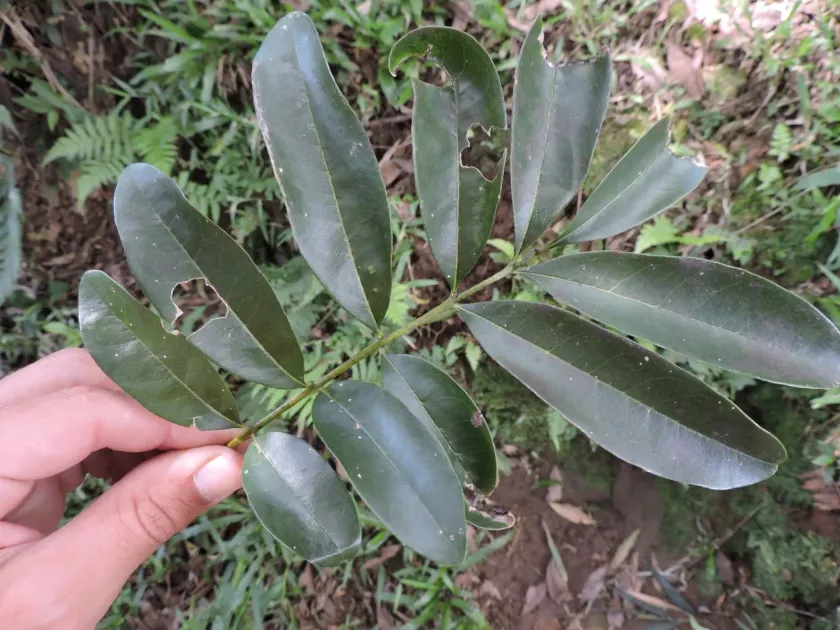
Description
Growing requirements
Matayba elaeagnoides is a significant tree species belonging to the Sapindaceae family. Native to the tropical regions of South America, specifically Brazil, this evergreen tree plays an essential role in forest ecology, often thriving in humid environments and diverse forest structures.
The plant demonstrates a strong preference for deep, well-drained soils rich in organic matter. As a forest-dwelling species, it requires stable climatic conditions with high levels of rainfall and protection from extreme temperature drops during its early stages of development.
Botanically, it is known for its intricate foliage and structural resilience. The species is adapted to compete for light within the forest canopy, making it a valuable candidate for reforestation efforts in native habitats where secondary growth is encouraged.
In terms of agricultural and forestry practices, the tree requires minimal intervention once established, but early life stages necessitate careful weed management and consistent moisture levels to promote root development and canopy formation.
The economic utility of the tree is diverse, ranging from sustainable timber production for high-quality woodcraft to its integration into agroforestry systems as a windbreak or a habitat for beneficial forest insects and birds.
Main diseases and pests
The primary threats to Matayba elaeagnoides involve fungal pathogens that target the root system in poorly drained soils. Conditions such as phytophthora root rot can be devastating if the soil compaction levels are too high.
Leaf-eating beetles and caterpillar larvae represent the most common biological pests. These organisms can affect the photosynthetic capacity of the trees, particularly in young, vulnerable nursery stocks, requiring targeted monitoring.
Poor orchard or plantation management, specifically high plant density, can lead to the spread of foliar diseases like powdery mildew. Ensuring adequate airflow between trees is the most effective cultural practice to mitigate these risks.
Integrated pest management strategies focusing on ecological balance are recommended. By maintaining a healthy environment for natural predators, the need for chemical intervention is significantly minimized.
Regular sanitation measures, including the removal of dead or dying branches, help to prevent the accumulation of pathogens that could infect the rest of the plantation, ensuring the long-term health of the stand.