
Matayba domingensis
Matayba domingensis
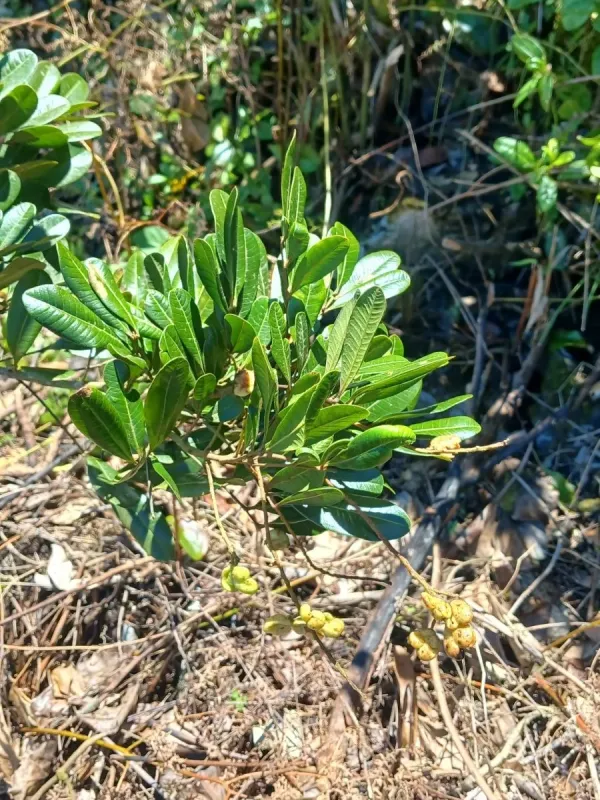
Description
Growing requirements
Matayba domingensis is a woody plant species belonging to the Sapindaceae family. Known for its adaptability in Caribbean ecosystems, this evergreen tree is recognized for its robust growth and distinct structural characteristics within its natural habitat.
This species thrives in tropical climates where high temperatures and significant humidity are constant throughout the year. It does not possess cold tolerance, making it suitable exclusively for tropical zones where frost is completely absent.
Ideal soil conditions involve well-draining substrates rich in organic matter. While the tree appreciates moisture, it is sensitive to waterlogged environments which can impair root respiration and lead to physiological decline.
Botanically, the plant features pinnate leaves and small, cluster-borne flowers. Its growth pattern is largely dictated by light availability, with the tree performing best in bright, dappled sunlight characteristic of canopy gaps in tropical forests.
Economically, Matayba is valued for its dense, high-quality timber in regions where it grows in abundance. Furthermore, it serves a functional role in landscape architecture as a shade tree, providing aesthetic value and stabilizing soil in erosion-prone areas.
Main diseases and pests
The health of Matayba domingensis can be compromised by various pests common to the tropical environment. Scale insects and mealybugs are notable threats that extract nutrients from the foliage and young branches, potentially leading to stunted growth.
Fungal infections, particularly leaf spot diseases, frequently manifest during high-humidity seasons. These pathogens can cause extensive defoliation if left unchecked, severely affecting the plant's metabolic processes.
Root rot is a significant risk factor, especially in areas with poor drainage or heavy clay content in the soil. Once established, these conditions favor the proliferation of oomycetes that damage the root system.
Strategic management of plant health involves careful pruning to maintain an open canopy structure, which facilitates airflow and reduces the micro-humidity that pests and fungi require to flourish.
Regular inspection and the application of integrated pest management practices are essential to maintaining the longevity and vigor of these trees, particularly in commercial or public plantations.