
Matayba apetala
Matayba apetala
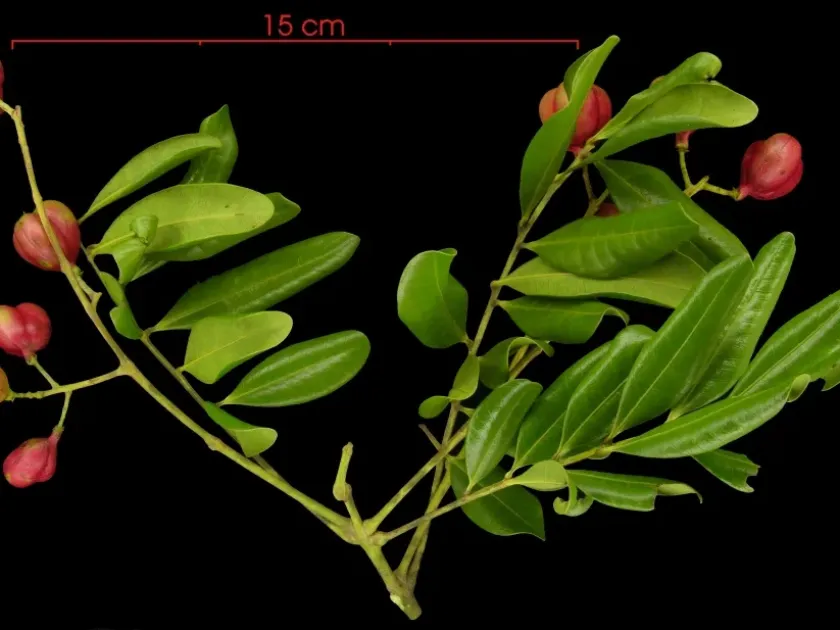
Description
Sowing dates
Matayba apetala is a tropical tree species belonging to the Sapindaceae family, commonly found in neotropical ecosystems.
Propagation is primarily achieved through seeds, which require specific conditions regarding moisture and soil composition to successfully germinate.
Due to the high oil content in the seeds, they have a short shelf life and should be sown as soon as possible after harvest to ensure viability.
Seedlings are typically raised in nurseries under controlled light conditions before being transplanted to their permanent growing sites.
The optimal sowing season coincides with the onset of the rainy season, allowing the plants to establish a robust root system before the dry period.
Growing requirements
This species thrives in tropical climates characterized by high average temperatures and consistent humidity throughout the year.
It prefers well-drained, fertile soils that provide adequate nutrients, although it can adapt to various forest soil types if drainage is maintained.
While mature trees are generally sun-loving, young specimens require partial shade to prevent desiccation and heat stress in early developmental stages.
The plant demonstrates moderate drought tolerance once established, but regular rainfall or irrigation is essential for optimal growth rates.
Proper spacing is crucial in plantation settings to ensure that each tree has sufficient access to sunlight and soil nutrients for vertical development.
Yield
The economic value of Matayba apetala is primarily derived from its high-quality timber, used in fine carpentry and construction projects.
Yield estimations are based on biomass accumulation rates, which vary significantly depending on the management intensity and soil fertility.
In silvicultural contexts, this species is also recognized for its ability to contribute to forest restoration and ecosystem services.
Fruit production, while secondary to timber, is vital for maintaining local biodiversity by providing food sources for various forest fauna.
Systematic forestry practices allow for sustainable harvesting cycles that maximize wood quality without depleting the local population.
Main diseases and pests
Fungal infections in the roots and foliage are the primary threats, particularly in areas with poor ventilation and stagnant water.
Leaf-eating insects can cause significant damage to the canopy, particularly during the rainy season when growth activity is at its peak.
Nutrient deficiencies, specifically in iron or magnesium, can lead to chlorosis, weakening the trees and making them more susceptible to pests.
Implementing integrated pest management (IPM) strategies is recommended to maintain tree health without relying solely on chemical treatments.
Regular monitoring of plant health and sanitation practices is necessary to prevent the spread of diseases within dense plantation stands.
Harvesting
The collection of seeds requires careful timing to ensure that only fully mature fruits are gathered for nursery propagation purposes.
Timber harvesting must be conducted according to sustainable management guidelines, ensuring minimal disturbance to the surrounding forest cover.
Post-harvest handling of seeds includes prompt cleaning and processing to prevent fungal contamination during storage or transportation.
Wood processing involves proper seasoning to ensure stability and durability of the material for commercial or construction applications.
Effective harvest management is essential for long-term agricultural sustainability and the overall profitability of the forest plantation.