
Lecaniodiscus cupanioides
Lecaniodiscus cupanioides
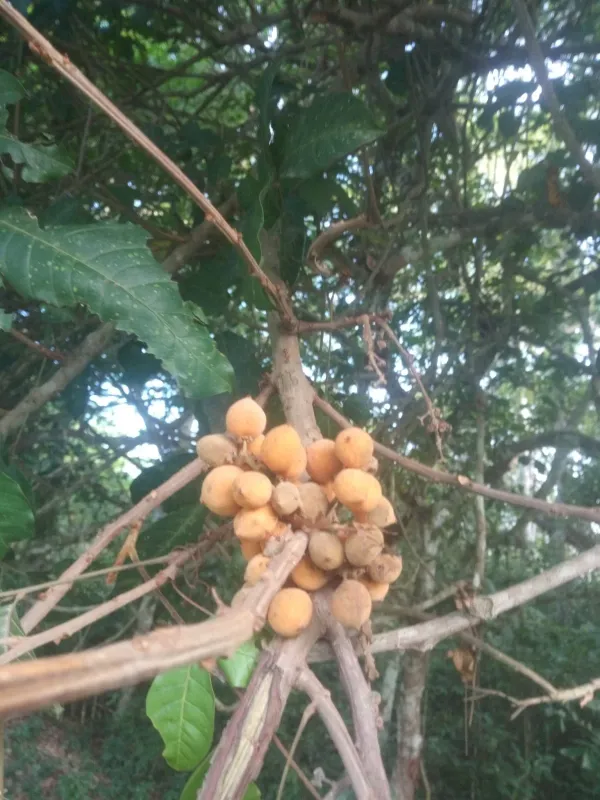
Description
Sowing dates
Propagation of Lecaniodiscus cupanioides is primarily achieved through seeds. Fresh seeds exhibit high germination rates and should be sown shortly after collection in a nutrient-rich, well-draining substrate to ensure optimal seedling development.
Successful germination requires consistent temperatures between 25 and 30 degrees Celsius and high atmospheric humidity. It is crucial to maintain proper aeration in the seedbeds to prevent fungal growth on the moist surface.
In its native West African habitat, the plant often propagates through natural seed fall under the forest canopy. In nursery conditions, young seedlings require partial shading to protect them from intense direct sunlight during their early growth stages.
Transplanting to a permanent location is typically conducted once the saplings reach a height of 30 to 50 centimeters. The species demonstrates vigorous growth when provided with adequate space and appropriate care during its establishment period.
Site selection should account for the tree's eventual size, as it can develop a broad, spreading crown, necessitating ample space to prevent overcrowding and ensure healthy long-term development.
Growing requirements
Lecaniodiscus cupanioides, a member of the Sapindaceae family, is a characteristic species of tropical and subtropical forest ecosystems. It thrives best in regions with a reliable moisture supply and minimal long-term drought.
The crop prefers deep, fertile soils rich in organic matter, with a neutral to slightly acidic pH level. Good drainage is essential, as the plant does not tolerate waterlogging, which can lead to root system degradation.
The tree requires a stable, warm climate throughout the year and is highly sensitive to frost. Consequently, its cultivation is restricted to tropical regions where extreme temperature drops are non-existent.
Light requirements vary by age; while mature trees can handle full sun exposure, juvenile specimens benefit from filtered or diffused light to promote healthy foliage development and avoid leaf scorch.
The application of organic amendments is highly beneficial during the early years, significantly accelerating growth rates and improving the tree's overall vigor before it reaches its productive maturity.
Yield
The fruits develop in dense clusters, which simplifies the harvesting process. Yield potential per tree is considered significant, provided that moisture levels and nutrient availability are maintained throughout the growing season.
The ripening period is often extended, allowing for a gradual harvest. This trait is advantageous for small-scale farmers who supply local markets and require a consistent supply of fresh produce over time.
The fruits possess pleasant culinary properties, making them popular in local communities. Beyond their direct consumption, the fruits and other parts of the plant are utilized in various traditional practices.
The economic value of this crop is further bolstered by the versatility of the plant, including potential uses for its wood and other non-fruit parts in agroforestry systems.
Due to its low-input requirements, this culture is highly accessible to growers, serving as a reliable subsistence or supplementary cash crop in diverse agricultural settings.
Main diseases and pests
The primary threats to this crop are fungal infections, which are often exacerbated by high humidity levels. Leaf spots and fruit rot are typical issues that require early detection and management to prevent spread.
Pests such as aphids and mealybugs frequently infest young shoots, drawing sap and weakening the plant. Regular monitoring of the canopy is vital for maintaining the tree's overall health and vitality.
Some xylophagous insects may pose a risk by boring into the trunk, potentially introducing secondary pathogens. Preventive measures and maintaining tree vigor are key strategies for managing such risks.
Improper pruning techniques can leave open wounds that become entry points for infection; therefore, all canopy management should be performed using sterile tools to ensure rapid healing.
Maintaining adequate spacing between trees promotes better air circulation within the orchard, which significantly reduces the microclimatic conditions favored by various fungal pathogens.
Harvesting
Harvesting is performed manually based on the color and softness of the fruits, which indicate their peak consumption maturity. It is recommended to harvest in dry weather to minimize damage to the peel.
After collection, the fruits require careful handling and storage in cool, well-ventilated conditions to prevent rapid spoilage, as the high sugar content makes them prone to fermentation.
Sorting by size and quality is a standard post-harvest practice that ensures the marketability of the produce, meeting consumer expectations and local standards for quality control.
The harvest schedule is closely linked to rainfall patterns and the tree's phenological cycle, requiring growers to plan activities in accordance with local climatic signals and seasonal trends.
Proper post-harvest management extends the shelf life of the fruit, allowing producers to maintain freshness and market value for several days after the initial harvest.