
White ironwood
Hypelate trifoliata
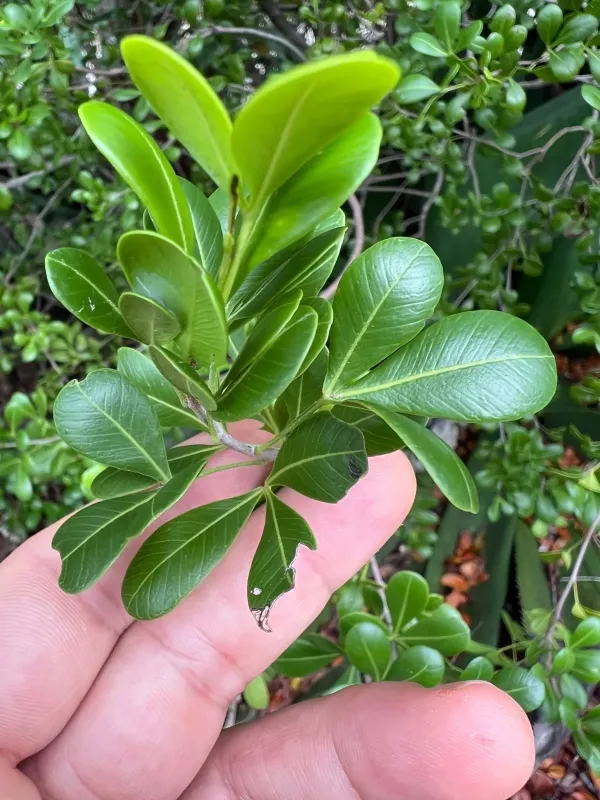
Description
Growing requirements
White ironwood (Hypelate trifoliata) is a slow-growing evergreen tree belonging to the Sapindaceae family. It is highly regarded for its dense foliage and hard wood, naturally occurring in tropical habitats ranging from Florida to the Caribbean islands.
The tree thrives in warm, frost-free climates and requires full sunlight to achieve its potential height. While it displays remarkable plasticity, consistent light exposure is crucial for maintaining the plant's structural integrity and characteristic dense crown shape.
Soil requirements for Hypelate trifoliata are specific regarding drainage. It is native to limestone-based soils and rocky terrain, which means it requires a well-drained substrate to prevent waterlogging, which the species does not tolerate well.
Agronomic practices for this species are relatively simple due to its natural drought tolerance. Once established, the tree requires minimal intervention, although young saplings should receive regular hydration during their first two years to ensure deep root development.
Commercially, the white ironwood is prized in landscaping for its exceptional salt tolerance, making it an ideal choice for coastal property restoration and urban beautification in tropical regions. Its historical value lies in its high-density timber used for fine joinery.
Main diseases and pests
Root rot represents the most significant threat to white ironwood, primarily caused by excessive soil moisture or improper drainage in landscape installations. Managing the soil structure is essential to preventing these chronic conditions.
Common pests affecting this species include scale insects and mealybugs, which settle on the stems and leaf undersides. These pests extract sap, leading to stunted growth, leaf drop, and the accumulation of sooty mold on the foliage.
Control measures involve applying horticultural oils or systemic insecticides specifically during the active growth period of the pests. Monitoring the plant population for early signs of infestation is the most effective management strategy.
Nutrient deficiencies, particularly involving micronutrients like iron or magnesium, may occur if the soil pH is improperly managed or too alkaline. Regular soil testing and corrective fertilization can prevent these physiological disorders.
Physical injuries to the bark or branches from incorrect pruning can introduce fungal pathogens into the tree's vascular system. Ensuring clean cuts and avoiding excessive pruning of the canopy helps maintain the tree's natural defense mechanisms against infection.