
Harpullia ramiflora
Harpullia ramiflora
Description
Growing requirements
Harpullia ramiflora is a distinct tropical tree belonging to the Sapindaceae family. Known for its specific flowering habit, this evergreen species is native to tropical rainforest ecosystems, where it thrives in high-humidity environments.
The tree requires a tropical climate with consistent temperatures throughout the year to flourish. It lacks cold tolerance and should never be exposed to freezing conditions, making it suitable only for specific geographical zones near the equator.
Optimal soil conditions for this species involve deep, well-draining, and nutrient-rich soils. It is essential to ensure that the site for cultivation is free from waterlogging, as the root system is sensitive to poor drainage.
Regarding sunlight, young plants often prefer filtered light or partial shade, mimicking their natural forest floor habitat. As the trees mature, they become more robust, yet maintaining a balanced level of light is crucial for maximizing vegetative growth.
Cultivation practices include consistent irrigation during drier spells and the application of organic mulch around the base to prevent moisture evaporation. Regular monitoring for soil fertility is also recommended to ensure vigorous tree development.
Harvesting
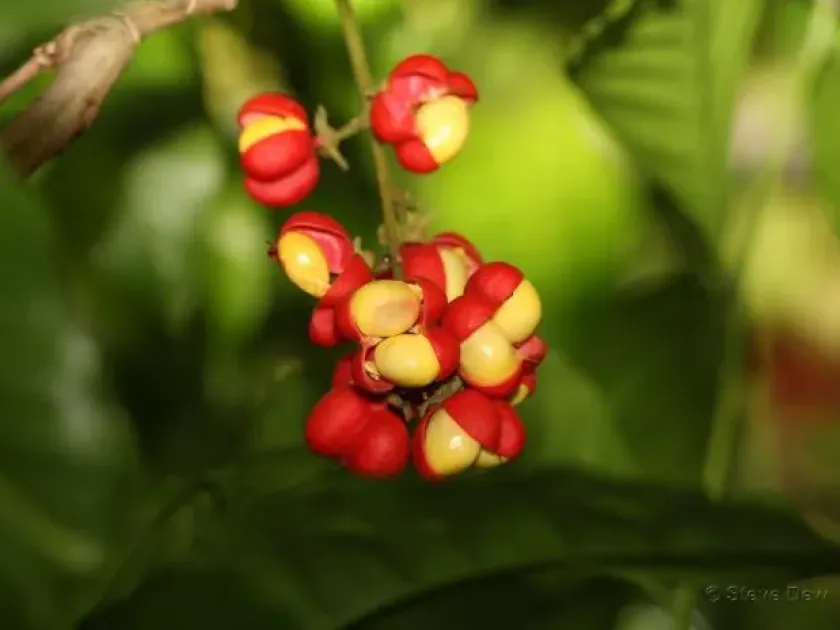
The fruits of Harpullia ramiflora are typically dehiscent capsules that split open upon maturation, displaying seeds enveloped in fleshy arils. These fruits are the primary interest for local harvesting activities.
Manual harvesting is the preferred method, as it allows for the careful selection of mature fruits. It is vital to time the harvest accurately to avoid loss from premature dropping or damage by pests.
In terms of usage, the arils are often consumed for their unique flavor profile. Beyond food, the tree provides timber that is occasionally utilized in local woodworking and traditional craftsmanship in its native range.
Post-harvest handling is critical due to the perishable nature of the fruit. Immediate processing or market delivery is necessary to maintain the freshness and quality of the aril-covered seeds.
Strategic harvesting schedules are often based on local phenological cues, as tropical trees may exhibit staggered ripening patterns depending on rainfall distribution and annual cycles.