
Harpullia pendula
Harpullia pendula
Description
Growing requirements
Harpullia pendula, commonly known as the Queensland Tulipwood, is a member of the Sapindaceae family. It is a stunning evergreen tree native to the rainforests of eastern Australia, recognized for its glossy foliage and pendulous branches.
The tree thrives in tropical and subtropical environments. It prefers locations with full sun to light shade, making it a versatile choice for various landscape applications in warmer climate zones.
Optimal growth requires well-drained, fertile soil rich in organic matter. While it shows good drought tolerance once established, consistent moisture is vital during the tree's formative years.
In its natural habitat, it can reach up to 25 meters, but in cultivated settings, it is typically kept smaller through regular pruning. It performs best when shielded from strong, damaging winds.
The species is adaptable to various soil types, including sandy loams, provided they remain neutral to slightly acidic. Proper soil preparation ensures vigorous development and deep root establishment.
Main diseases and pests
Common pests affecting Harpullia pendula include scale insects and mealybugs. These sap-sucking pests can weaken the tree if infestations are left unmanaged over long periods.
Root rot is a significant risk when trees are planted in poorly drained soil. Maintaining appropriate irrigation levels is the primary defense against waterlogging and subsequent fungal development.
Sooty mold, which grows on the honeydew produced by insects, can mar the tree's appearance. Keeping the tree healthy and managing pest populations effectively reduces the likelihood of mold growth.
Leaf-eating larvae can occasionally cause localized damage to foliage. In large landscape settings or nurseries, spot treatments or natural insect predators are often sufficient to maintain plant health.
Routine maintenance, such as sanitizing garden tools and ensuring good air circulation through the canopy, is essential to minimize the impact of common pathogens on the tree's overall structure.
Harvesting
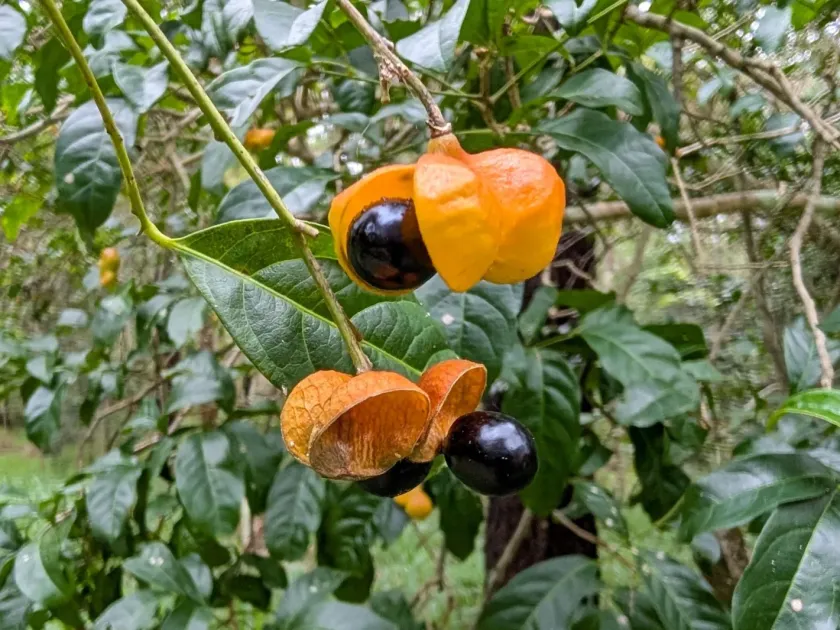
The primary use of Harpullia pendula is in landscaping as a street tree or ornamental specimen. It is highly valued for its striking orange-red seed pods, which persist on the branches.
Propagation is primarily carried out via seeds. It is recommended to sow seeds immediately after harvest, as their viability decreases significantly if they are stored for extended periods.
The timber of the tulipwood is highly prized by woodworkers for its fine, close-grained texture and durability. It is frequently used for high-quality wood turning and decorative cabinetry.
As a landscape tree, it provides excellent shade and habitat for birds. It is also suitable for container growing in its juvenile stages, which allows for gradual adaptation to the planting site.
Its resilience and aesthetic appeal make it a preferred choice for urban reforestation projects. Careful management of its growth habit ensures it remains a long-term asset in the garden design.