
Harpullia cupanioides
Harpullia cupanioides
Description
Growing requirements
Harpullia cupanioides is a medium-sized evergreen tree belonging to the Sapindaceae family. It is native to tropical regions of Southeast Asia and Australia, typically found in rainforest environments where humidity remains consistently high throughout the year.
The species requires a tropical climate with temperatures ranging from 20 to 30 degrees Celsius. It does not tolerate frost, making it suitable only for regions without extreme thermal drops. Adequate rainfall is essential for the healthy development of its canopy.
Soil requirements involve deep, fertile, and well-drained substrates. While it can adapt to various soil types, rich loams that prevent water stagnation are ideal. Adding organic matter to the soil during the early stages of planting promotes faster establishment.
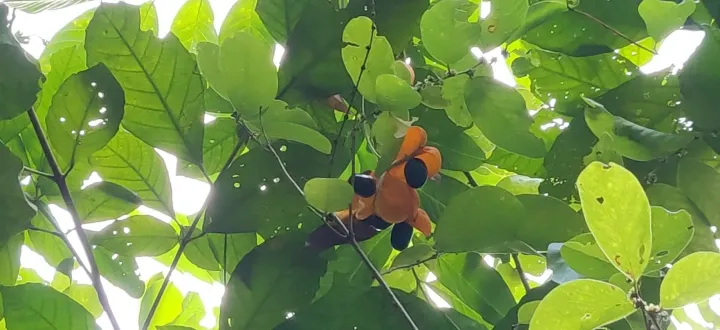
Botanically, the tree is characterized by pinnate, alternate leaves and small, fragrant flowers. The fruit is a distinctive bi-lobed capsule that splits to reveal glossy, black seeds, often contrasting with the vibrant orange or red interior of the capsule.
Cultivation practices focus on ensuring proper light exposure for adult trees, which prefer partial to full sun. Young saplings should be protected from intense mid-day heat to prevent dehydration and leaf scorching during the dry season.
Yield
The economic value of Harpullia cupanioides primarily lies in its timber, which is used for carpentry and furniture making. The wood is known for its durability and structural integrity, making it a reliable resource in local forestry industries.
The tree serves as an important component in agroforestry systems, where it provides shade to shade-loving crops or stabilizes soil. Its extensive root system helps prevent erosion on slopes, contributing to the health of the surrounding landscape.
Harvesting usually involves the manual collection of seeds for reforestation purposes or propagation. Because the seeds lose viability relatively quickly, they are typically processed and planted within a short timeframe after maturation.
In terms of ecological yield, the tree provides habitat for birds and beneficial insects, contributing to the overall balance of the local ecosystem. Its fruit consumption by wildlife also aids in seed dispersal, supporting natural forest regeneration.
Future prospects for the species include its expanded use in urban forestry, as it is relatively low-maintenance once fully established and provides excellent ornamental value through its colorful fruits.
Main diseases and pests
The most common threats include infestation by leaf-chewing insects, particularly beetles and caterpillars, which can damage new foliage. Regular monitoring is essential during the active growing season to mitigate these attacks.
Fungal pathogens can affect the roots if the soil drainage is inadequate. Managing water levels and ensuring proper airflow within the canopy are the best preventive measures to maintain the health and vigor of the trees.