
Harpullia arborea
Harpullia arborea
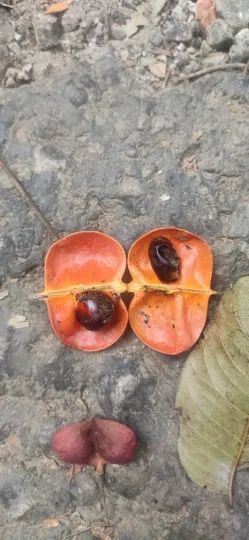
Description
Sowing dates
Propagation of Harpullia arborea is typically achieved through seeds, which are collected from mature fruits. Successful germination requires fresh seeds, as their viability decreases rapidly if they are allowed to dry out completely.
Seeds should be sown in a well-draining potting medium rich in organic matter. Placing them at a depth of approximately 2-3 cm ensures optimal moisture retention while allowing the emerging seedling to reach the surface quickly.
Providing a consistent temperature range, ideally between 25 and 30 degrees Celsius, significantly improves the rate of germination. It is advisable to use seed trays located in a partially shaded nursery environment.
Once seedlings have developed their first true leaves, they can be transplanted into individual containers. This step is crucial for establishing a robust root system before the final planting in the field.
Care must be taken to avoid root disturbance during transplantation. Maintaining the original soil ball helps the plant recover quickly and minimizes the shock associated with moving from the nursery to the growing site.
Growing requirements
As a member of the Sapindaceae family, Harpullia arborea thrives in tropical environments. It requires significant warmth and consistent humidity to achieve its full potential, making it an excellent choice for agroforestry in warm regions.
The ideal soil for this species is deep, fertile, and well-drained. While it is known to be adaptable to various soil textures, including clay-heavy soils, avoiding waterlogged conditions is essential for root health.
The tree prefers a sunny location but benefits from light shade during its early stages of development. As it matures, it develops a thick, hardy canopy that is well-suited to withstand varying degrees of solar exposure.
Irrigation management is vital, especially during the establishment phase. While mature trees exhibit some drought tolerance, supplemental watering during prolonged dry spells ensures a more productive yield of fruits and wood.
Adequate spacing is required to ensure good airflow within the canopy. Planting trees at least 5 to 8 meters apart helps in managing light interception and reduces the humidity around the foliage that could encourage disease.
Main diseases and pests
Common pests include sap-sucking insects like scales and mealybugs. These pests congregate on the undersides of leaves and along tender stems, causing yellowing and stunted growth if left unmanaged.
Fungal diseases are a significant concern, particularly in high-humidity areas. Leaf spot and various mildews can cause premature leaf drop, which weakens the tree's overall vigor and reduces fruit production.
Proper sanitation is the first line of defense. Removing and destroying infected plant material prevents the spread of pathogens to neighboring trees, maintaining the health of the entire plantation.
Soil-borne pathogens can become an issue if the root zone remains waterlogged for extended periods. Improving soil drainage is the most effective cultural method to mitigate the risk of root rot.
Chemical control should be a last resort. Instead, implementing integrated pest management (IPM) strategies, such as encouraging natural predators or using horticultural oils, offers a more sustainable solution for long-term health.
Harvesting
The wood of Harpullia arborea is highly valued for its durability and aesthetic grain, often used in specialized woodworking and cabinet making. Harvesting wood requires careful planning to ensure the sustainability of the stand.
Fruit harvesting for seed production or decorative use is done manually. Harvesters wait for the fruit capsules to turn color and start to open, which signals peak maturity and the availability of viable seeds.
The fruit's properties make it an interesting candidate for ecological studies. The presence of saponins in the fruit pulp suggests potential for natural, biodegradable soap alternatives, a niche market in traditional settings.
Post-harvest management of seeds involves careful drying in shaded, ventilated areas. Excessive heat or direct sunlight can destroy the embryo, rendering the seeds useless for future propagation cycles.
Sustainable harvesting practices are essential to maintain the health of the tree. Pruning during harvesting can actually benefit the tree by removing old or damaged wood, promoting new growth for future seasons.