
Cupaniopsis anacardioides
Cupaniopsis anacardioides
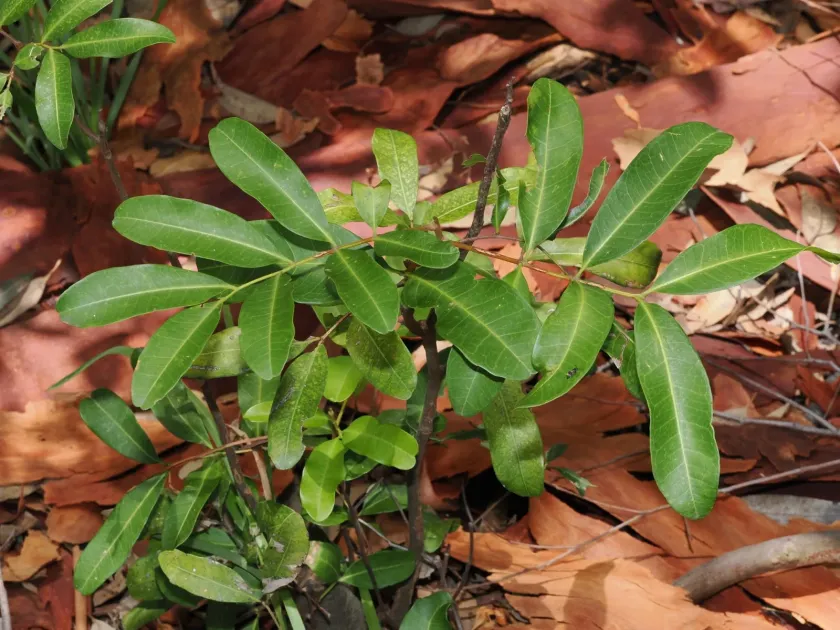
Description
Growing requirements
Cupaniopsis anacardioides, commonly known as carrotwood, is an evergreen tree belonging to the Sapindaceae family. It is widely recognized for its robust growth habit and attractive foliage, making it a popular choice for urban landscaping.
The species is native to coastal regions of Australia and New Guinea. Due to its natural habitat, the tree is exceptionally tolerant of saline soils and salt-laden winds, thriving in areas where many other species would struggle.
Regarding soil requirements, this tree is highly adaptable. It grows well in a variety of soil types, ranging from sandy loams to heavier clays, provided there is adequate drainage to prevent waterlogging.
Climate preferences for carrotwood include warm subtropical and tropical environments. It requires significant exposure to sunlight to maintain its dense, lush crown structure throughout the growing season.
In terms of practical use, it serves as an excellent shade tree and windbreak. Its resilience makes it a standard selection for street plantings and large park projects in coastal cities around the world.
Main diseases and pests
Cupaniopsis anacardioides is generally considered a low-maintenance tree with few severe health issues. However, poor air circulation within the canopy can lead to the development of opportunistic fungal infections.
The most common pests affecting this plant are scales and mealybugs. These insects colonize stems and leaves, feeding on plant sap and causing localized yellowing or weakening of the foliage.
Integrated pest management strategies are recommended, focusing on maintaining tree health through proper pruning and irrigation. Heavy infestations may require the application of horticultural oils or systemic insecticides.
Root rot is a potential threat primarily in poorly drained or waterlogged soils. To prevent this, planters should ensure the root ball is slightly elevated above the surrounding ground level.
Regular maintenance inspections are essential to ensure the tree remains vigorous. By avoiding excessive fertilization, which promotes succulent growth, owners can significantly reduce the tree's attractiveness to soft-bodied insect pests.