
Chytranthus carneus
Chytranthus carneus
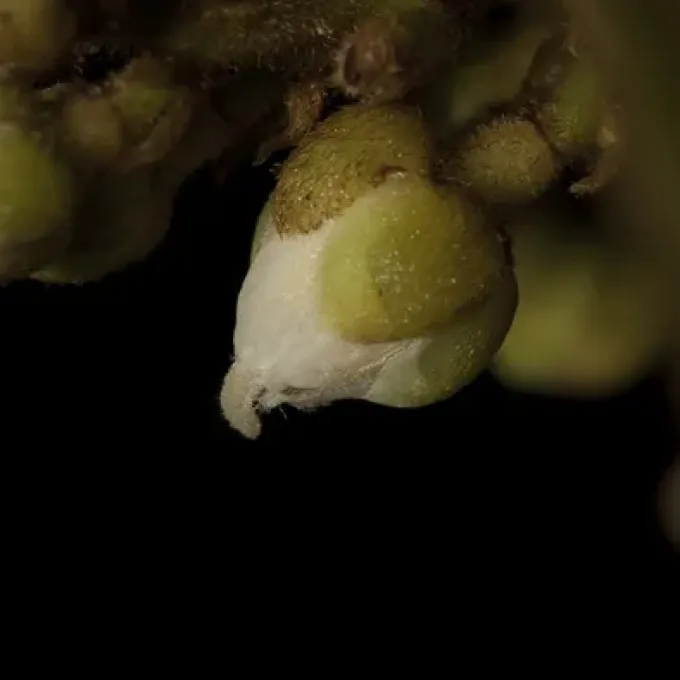
Description
Sowing dates
Chytranthus carneus belongs to the Sapindaceae family and is typically propagated by seeds. Because the seeds are recalcitrant and lose viability quickly, they must be sown immediately after harvest to ensure successful germination.
The ideal substrate for sowing is a moist, well-draining mixture based on peat and perlite. Seeds should be planted at a shallow depth, just enough to be covered by the medium, to facilitate quick emergence.
Germination requires a consistent tropical climate with temperatures between 25 and 28 degrees Celsius. Providing high humidity through covers or humidity chambers significantly increases the success rate of the nursery process.
Once seedlings develop their first true leaves, they should be carefully transplanted into individual containers. This prevents root entanglement and allows each plant to receive adequate nutrients for further development.
Young plants are highly sensitive to intense light. Therefore, providing shade during the early growth stages is essential for preventing leaf scorch and promoting steady, healthy development.
Growing requirements
This species is native to tropical rainforests and requires high atmospheric humidity to thrive. Dry environments can cause leaf tips to brown and significantly stunt the plant's overall growth.
The soil should be rich in organic matter and maintain a slightly acidic to neutral pH. Excellent drainage is non-negotiable, as waterlogged soil quickly causes root rot in this species.
In terms of light, Chytranthus carneus prefers filtered or dappled light conditions. It is adapted to the understory of tropical forests, meaning direct, harsh sunlight should be avoided.
Regular fertilization with organic supplements is recommended during the active growing season. Avoid high-salt synthetic fertilizers, which can accumulate in the substrate and negatively impact the root system.
The temperature must be kept steady, preferably between 20 and 30 degrees Celsius. Exposure to temperatures below 15 degrees Celsius can cause the plant to enter a dormant state or suffer from cold shock.
Yield
The yield of Chytranthus carneus consists of its edible fruits, which typically grow in clusters along the branches or the main trunk of the tree. Production is seasonal and linked to climatic stability.
Trees generally begin to bear fruit after reaching a certain level of maturity, typically within five to seven years under optimal conditions. Yield volume increases as the tree matures and its canopy expands.
While not a major commercial global crop, it remains a valuable local resource in its native range. The fruits are sought after for their taste and nutritional properties, often sold in local markets.
Routine pruning is vital to manage the tree's architecture and improve fruit quality. Removing dead wood allows for better airflow and light penetration, which are essential for fruit maturation.
Harvesting is typically done by hand when the fruits reach their peak ripeness, evidenced by their color and texture. Because the fruit is perishable, careful handling is required to maintain quality.
Main diseases and pests
The primary threats to Chytranthus carneus are fungal infections induced by excessive moisture and poor air circulation. Root rot and foliage spots are the most common ailments in humid conditions.
Pests such as scale insects and mealybugs can pose significant threats by feeding on the sap. Left untreated, these pests weaken the tree and create entry points for secondary bacterial or fungal infections.
Proactive management involves ensuring proper plant spacing and avoiding overhead watering. Keeping the area around the base of the tree clean reduces the likelihood of fungal spore buildup.
If an infestation occurs, it is best to use biological controls or mild soap-based solutions. Heavy pesticides should be avoided, especially if the fruits are destined for human consumption.
Maintaining a stable environment is the best form of defense against stress-related issues. Rapid fluctuations in temperature or moisture are often the catalysts that make the plant vulnerable to diseases.