
Prumnopitys standleyi
Prumnopitys standleyi
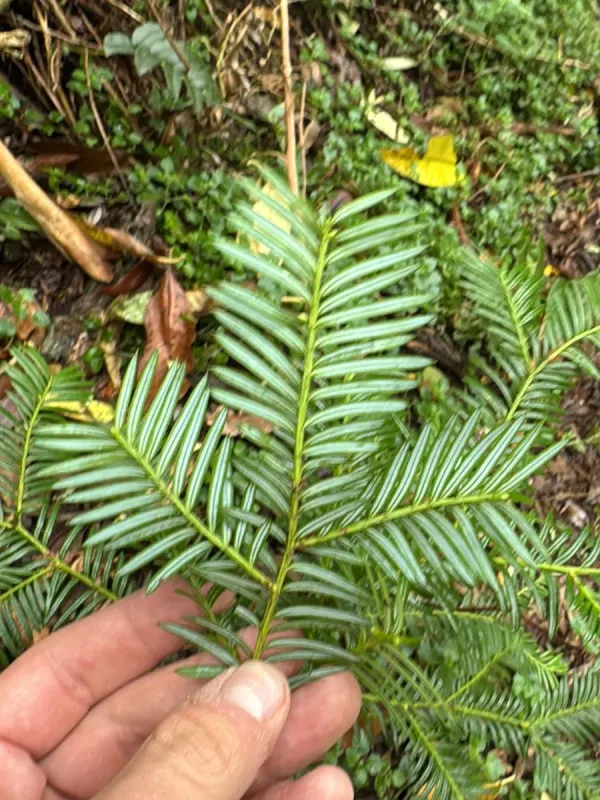
Description
Growing requirements
Prumnopitys standleyi is a rare evergreen coniferous tree belonging to the Podocarpaceae family. It is native to the high-altitude cloud forests of Costa Rica and neighboring regions.
The tree thrives in cool, humid environments with frequent mist coverage, which is essential for maintaining its metabolic processes throughout the year.
It requires deep, well-drained, acidic soils rich in leaf litter and organic matter to support its root system and ensure proper nutrient uptake.
Botanically, this species is noted for its needle-like foliage and characteristic fleshy fruit structures, which facilitate seed dispersal by local avian species.
Economically, while not widely cultivated for timber due to its conservation status, it serves as a critical component in local forest restoration initiatives.
Main diseases and pests
The primary threat to Prumnopitys standleyi is habitat fragmentation caused by agricultural expansion and deforestation within its limited geographic range.
Pathogenic fungi affecting the root system represent a significant risk, particularly when the tree is introduced to soils lacking symbiotic mycorrhizal networks.
Pests such as bark beetles can exploit weakened specimens, accelerating tree decline in areas where the forest ecosystem has been disturbed.
Climate change poses a long-term danger, as the species relies on precise moisture gradients provided by tropical mountain cloud cycles.
Conservation strategies focus on strictly protecting existing stands and researching propagation techniques to enhance population numbers in situ.