
Prumnopitys ladei
Prumnopitys ladei
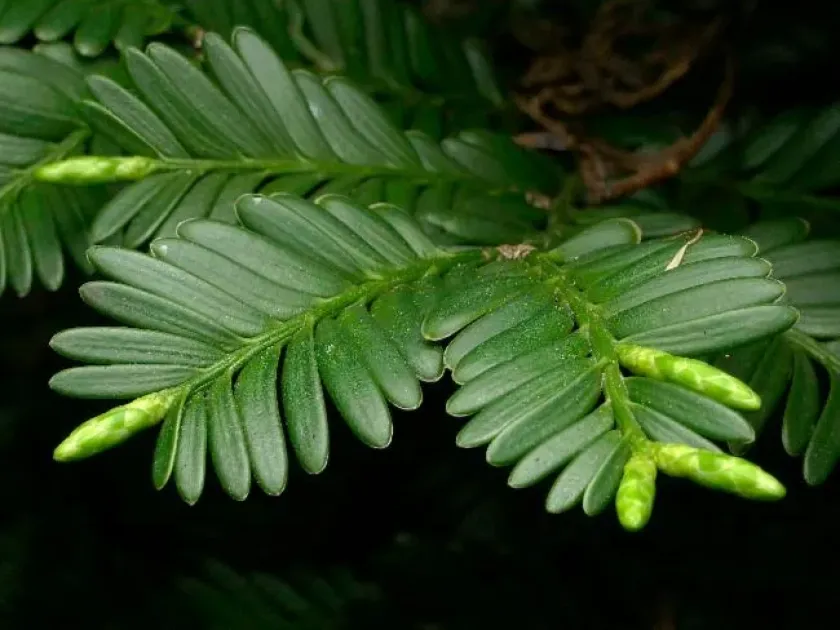
Description
Growing requirements
Prumnopitys ladei is a rare, evergreen conifer species belonging to the Podocarpaceae family. This tree is native to the rainforests of northeastern Queensland, Australia, where it thrives in specific ecological niches.
Cultivating this species requires a climate that mimics its natural habitat: consistently high humidity, mild temperatures, and protection from extreme heat or prolonged drought conditions.
The soil requirements are strict; the plant necessitates deep, fertile, and well-draining substrates. The acidity level should ideally remain slightly acidic to neutral to ensure proper nutrient uptake.
This conifer performs best in semi-shaded environments. As an understory tree in its natural habitat, it is not adapted to harsh, direct sunlight, which can lead to foliage damage in young plants.
Agronomic care for Prumnopitys ladei focuses on maintaining constant soil moisture without causing waterlogging. A regular supply of moisture is essential for this species due to its specialized root system.
Main diseases and pests
The primary threats to Prumnopitys ladei in cultivation are root rot and fungal pathogens. These issues are most commonly triggered by poor drainage or overwatering the substrate.
Pests such as mealybugs and scale insects pose a persistent threat. These sap-sucking insects can severely weaken the tree, leading to yellowing of the needles and stunted growth.
Infection risk increases significantly when the tree is subjected to stressful environmental conditions, such as extreme temperature fluctuations or low humidity, which lower its natural defenses.
Mechanical damage to the bark or foliage can serve as an entry point for opportunistic infections. Maintaining a clean and sterile growing area is essential for disease prevention.
Monitoring for signs of infestation or necrosis is a daily requirement for professional growers. Proactive use of appropriate fungicides and insecticides is recommended to preserve the tree's ornamental health.