
Prumnopitys ferruginoides
Prumnopitys ferruginoides
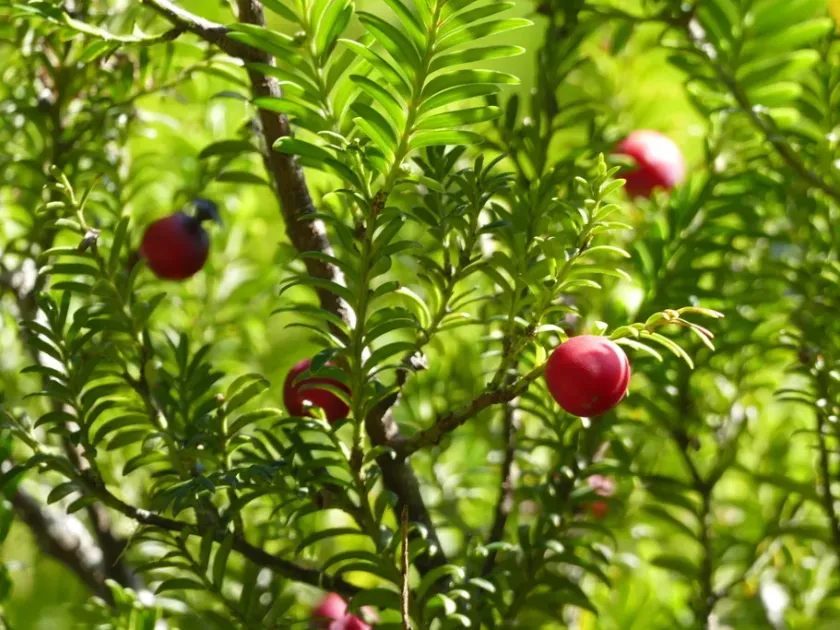
Description
Growing requirements
Prumnopitys ferruginoides is a member of the Podocarpaceae family. This evergreen conifer is native to the tropical forest environments, notably found in the unique ecosystems of New Caledonia.
The plant requires a stable, humid climate to thrive, avoiding extreme temperature fluctuations. In its native habitat, it functions as an understory component, benefiting from the consistent moisture of cloud-influenced forests.
Soil requirements involve well-draining, slightly acidic substrates. It is strictly sensitive to waterlogged conditions, making the provision of a proper drainage layer essential for container-grown specimens or in specialized garden beds.
Botanically, it is characterized by slow growth rates and a dense, needle-like foliage structure. The plant is adapted to low-light environments, making it a suitable candidate for sheltered garden spots or climate-controlled glasshouses.
Cultivation practices necessitate careful monitoring of humidity levels and consistent, light watering schedules. Mulching around the base can help stabilize soil moisture without inducing root rot, which is a common threat to this species.
Harvesting
The agricultural and economic utility of Prumnopitys ferruginoides is primarily focused on botanical research and the conservation of endangered endemic plant species within managed collections.
While historically related species have been utilized for timber, the modern focus for this specific species remains strictly ornamental and scientific, ensuring the preservation of its genetic diversity for future generations.