
Nageia wallichiana
Nageia wallichiana
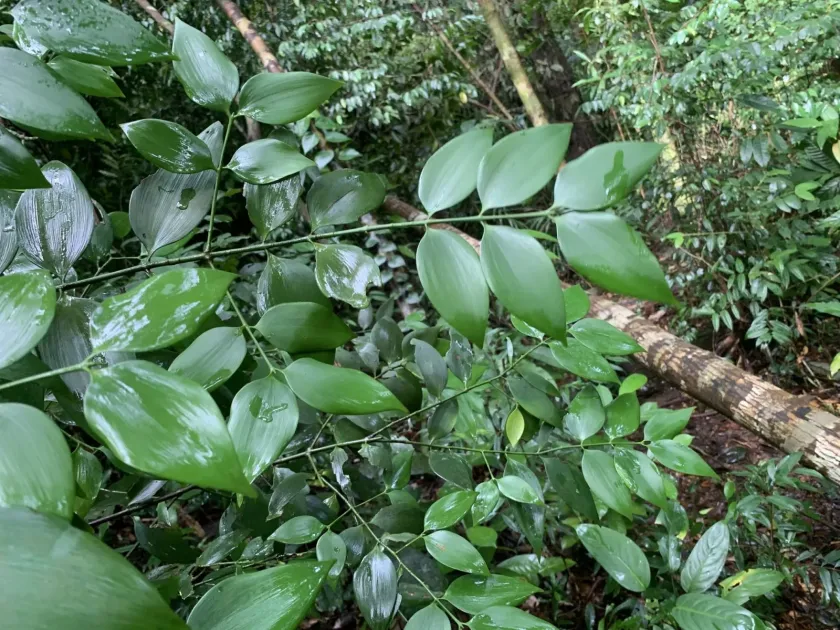
Description
Growing requirements
Nageia wallichiana is a distinctive evergreen coniferous tree belonging to the Podocarpaceae family. It is widely recognized for its broad, leathery leaves that resemble those of angiosperms rather than typical needle-leaved conifers.
The native distribution of this species spans across the tropical regions of Southeast Asia, including parts of India, Malaysia, Indonesia, and the Philippines. It primarily thrives in humid mountainous rainforests where moisture is abundant year-round.
The plant has strict climate requirements, favoring high ambient temperatures and humidity levels. Because it is highly sensitive to frost, Nageia wallichiana is exclusively cultivated in tropical greenhouses or controlled environments in temperate regions.
When choosing a substrate, it is essential to provide a well-draining, nutrient-rich, and slightly acidic medium. Waterlogged soil is extremely detrimental to the root system, often leading to rapid decline and plant death if drainage is insufficient.
Standard care involves consistent irrigation and protection from direct, intense sunlight, which can scorch the foliage. The tree benefits from a stable environment without significant dry periods, mimicking its natural rainforest canopy habitat.
Main diseases and pests
Root rot is the most common pathology associated with Nageia wallichiana, typically triggered by improper irrigation cycles and poor soil aeration. Maintaining a balanced soil moisture level is the primary method of preventing these fungal issues.
Pest management should focus on common greenhouse insects such as scale insects and spider mites. Regular inspections and the application of horticultural oils or systemic insecticides are effective strategies to keep the plant healthy and vigorous.
Harvesting
The wood of Nageia wallichiana is highly valued in the timber industry for its fine texture, durability, and resistance to decay. It is frequently utilized in the creation of premium furniture, cabinetry, and high-quality interior woodwork.
Beyond its utility as a timber resource, the tree serves as a prized specimen in botanical gardens and private collections. Its unique morphological traits make it an excellent choice for ornamental landscaping in regions with suitable climates.