
Nageia nagi
Nageia nagi
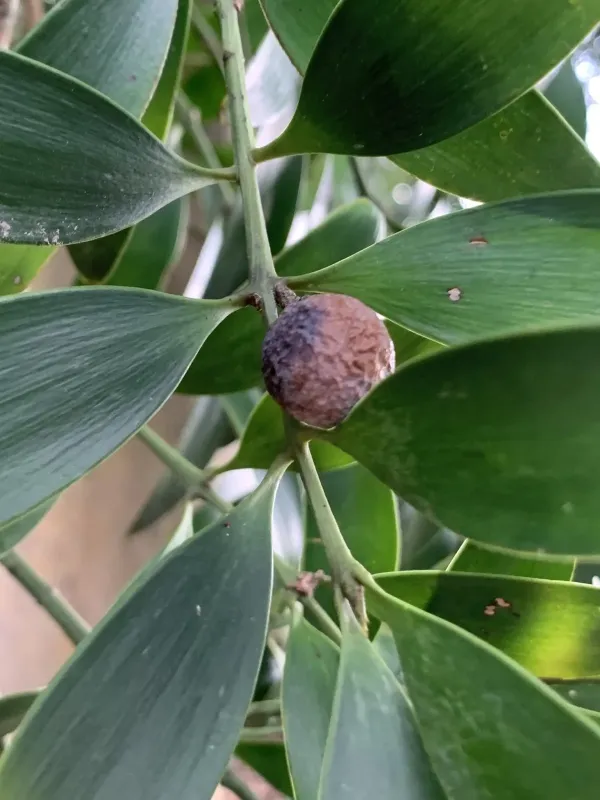
Description
Growing requirements
Nageia nagi, commonly known as the broadleaf podocarp, is an evergreen coniferous species within the Podocarpaceae family. It is native to the subtropical forests of China, Japan, and Taiwan, where it flourishes in humid environments.
The tree thrives in climates that provide mild, frost-free winters and warm, humid summers. Due to its sensitivity to extreme cold, cultivation in temperate regions is typically confined to greenhouses or indoor environments.
It prefers deep, fertile, and well-drained soils. A slightly acidic to neutral pH level is ideal for the uptake of nutrients. Water management is critical, as the roots require consistent moisture but are highly susceptible to rot if stagnant water is present.
This species is noted for its high shade tolerance, making it an excellent choice for ornamental gardening in areas with dappled light. When provided with optimal conditions, it develops a thick, lush canopy of lanceolate leaves.
Beyond its aesthetic appeal, Nageia nagi is economically valued in forestry for its exceptionally durable and high-quality timber, often used in fine woodworking and traditional construction.
Main diseases and pests
The most significant pathological threat to Nageia nagi is root rot, typically caused by improper irrigation practices and poor drainage. This condition can severely compromise the tree's health if not addressed promptly.
Pest pressure often includes scale insects, which can colonize the foliage and stems. These pests weaken the plant by extracting essential sap, leading to stunted growth or discolored leaves.
Spider mites represent another common threat, particularly in dry indoor conditions. These pests thrive in low-humidity environments, which can result in significant leaf drop if left unchecked.
Effective pest management involves integrated control strategies, including the use of horticultural oils for scale control and increased humidity levels to deter spider mites.
Maintaining proper cultural practices, such as ensuring adequate airflow and precise moisture control in the growing medium, is the most effective way to protect the tree from common health issues.