
Nageia fleuryi
Nageia fleuryi
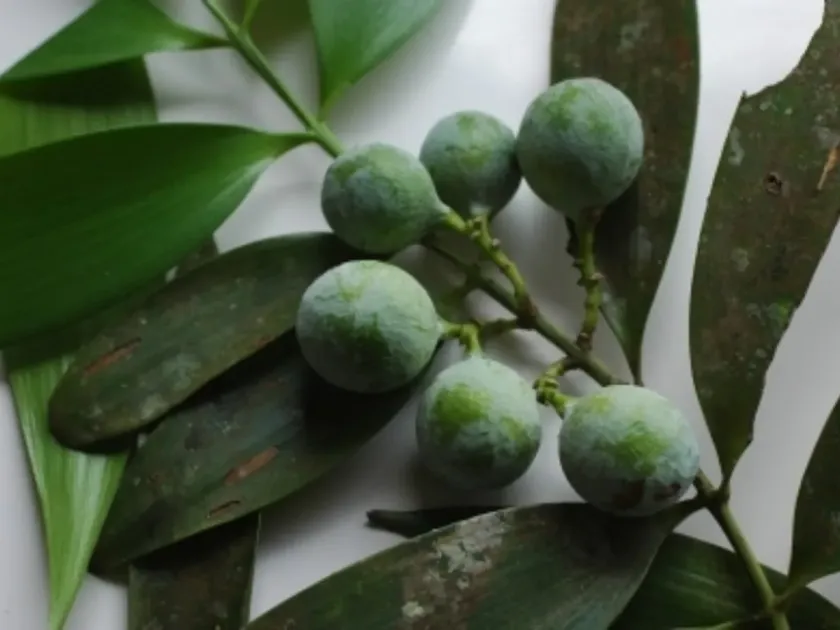
Description
Sowing dates
Propagation of Nageia fleuryi primarily involves seed sowing, which requires a pre-stratification process to enhance germination rates significantly.
Seeds should be planted in well-draining, nutrient-rich soil media that mimic the forest floor environment of their native tropical habitats.
The ideal time for transplanting seedlings is during the onset of the warm season, ensuring the plants have ample time to establish roots before extreme heat.
Adequate spacing is crucial when planting, as the tree develops a substantial, wide-spreading canopy that demands sufficient ventilation and sunlight.
Consistency in moisture levels during the early stages of development is vital; however, overwatering must be avoided to prevent root decay in young specimens.
Growing requirements
As a member of the Podocarpaceae family, Nageia fleuryi originates from the humid, tropical and subtropical forests of Southeast Asia and Southern China.
The species thrives in deep, slightly acidic, and loamy soils that provide both moisture retention and effective drainage, which is critical for root health.
This tree prefers high atmospheric humidity levels, making it particularly suited to tropical climates with stable temperatures throughout the year.
Nageia fleuryi displays a high degree of shade tolerance during its youth, although mature trees benefit significantly from exposure to bright, diffused light.
Protection from severe frost and drying winds is essential, as the species is not cold-hardy and requires a sheltered environment to maintain vigor.
Main diseases and pests
- Root rot caused by stagnant water in poorly drained soils.
- Fungal pathogens affecting needles in conditions of excessive humidity and poor ventilation.
- Pest pressure from scale insects, which can weaken the tree's immune system.
- Mechanical damage to the foliage from strong, desiccating winds in exposed areas.
- Competition from invasive weeds during the early establishment phase of young trees.
Harvesting
The primary economic value of Nageia fleuryi lies in its high-quality, durable timber, which is highly sought after in luxury woodworking and fine furniture manufacturing.
Due to its natural resistance to decay and insects, the wood remains a premium material for interior design and architectural woodwork applications.
In addition to its timber value, the species serves an important role in landscape architecture, utilized as a majestic evergreen focal point in botanical gardens.
Sustainable harvesting practices are essential, as the species possesses a slow-to-moderate growth rate that necessitates long-term forest management planning.
Harvesting of seed-bearing cones occurs once they reach physiological maturity, facilitating the continued propagation and conservation of this valuable forest resource.