
Mexican sycamore
Platanus mexicana
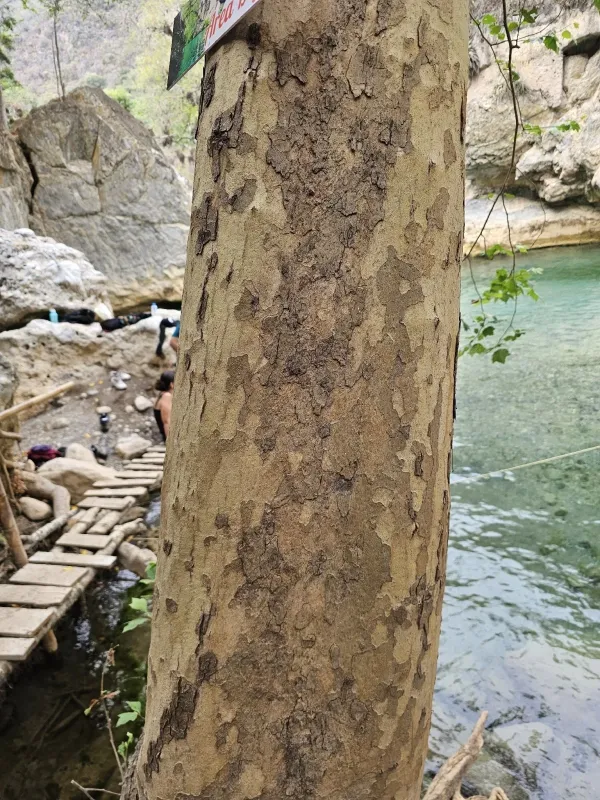
Description
Sowing dates
Mexican sycamore is propagated primarily through seeds, which require a cold stratification period of one to two months to break dormancy before spring sowing.
To improve germination rates in a nursery setting, seeds should be soaked in water or growth-promoting solutions prior to being planted in the soil.
Sowing depth should be kept shallow, approximately 1–2 centimeters, using a well-draining, nutrient-rich substrate to prevent damping-off diseases.
Constant moisture must be maintained throughout the germination phase, and seedlings should be protected from extreme heat during their early growth stages.
Once seedlings have reached a sufficient height, they can be transplanted into larger containers or permanent locations during the dormant season.
Growing requirements
The Mexican sycamore is a large, deciduous tree belonging to the Platanaceae family, native to the regions of Mexico and parts of Central America.
It thrives in deep, fertile, and well-drained soils, showing a preference for sites with high organic matter content and consistent moisture availability.
This species is highly photophilic and requires full sun exposure to maintain its healthy growth rate and characteristic beautiful leaf development.
Regarding climate requirements, it prefers temperate to subtropical environments, as it is somewhat sensitive to severe winter freezing temperatures.
Proper agronomic management involves regular irrigation during the summer months, as large leaves cause significant water loss through evapotranspiration.
Main diseases and pests
The most common disease affecting this species is anthracnose, a fungal infection that causes leaf spots, twig dieback, and general tree weakening.
Powdery mildew can also occur, particularly in environments with high humidity and poor air circulation, negatively impacting the tree's visual appeal.
Pests like spider mites and aphids are known to feed on the foliage, which can cause significant stress if the infestation is left untreated.
Root rot caused by poor soil drainage is a major threat, leading to yellowing leaves and potential tree loss if not addressed with proper soil aeration.
Effective management includes maintaining tree vigor through proper fertilization, pruning dead wood, and utilizing appropriate fungicidal treatments when needed.