
Kerr's Plane
Platanus kerrii
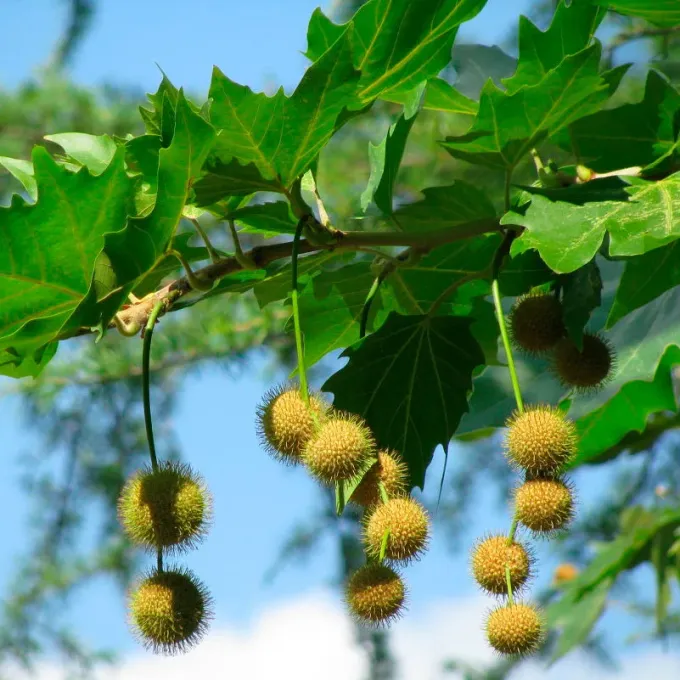
Description
Growing requirements
Kerr's Plane (Platanus kerrii) is a distinct species within the Platanaceae family, often noted for its botanical uniqueness compared to more common plane trees. This species serves as an important subject for botanical study and specialized horticultural cultivation.
The native distribution of this tree is limited to the subtropical regions of Southeast Asia, including parts of Vietnam, Laos, and China. In these areas, the tree naturally inhabits moist, riverine environments, thriving in fertile soils that maintain a consistent moisture level.
From an agricultural perspective, the species is classified as highly thermophilic. It requires a stable, warm climate and does not possess the hardiness of other members of the genus. Frost exposure must be strictly avoided during the juvenile stages to prevent terminal damage to the vascular system.
Soil requirements focus on deep, well-draining substrates rich in organic matter. A neutral to slightly acidic pH range is considered optimal. In cultivation, ensuring adequate drainage is critical, as stagnant water significantly increases the risk of root rot and other physiological disorders.
Successful management involves regular monitoring of moisture levels, especially in regions where seasonal droughts occur. The culture benefits from periodic mulching, which helps stabilize soil temperature and improves nutrient availability in the root zone over the long term.
Main diseases and pests
The primary pathogenic threats to Platanus kerrii involve fungal infections that target the foliage and vascular tissues. High humidity levels combined with poor air circulation around the canopy frequently lead to outbreaks of anthracnose, which requires prompt chemical intervention.
Insect pests, particularly lace bugs and various borers, can impact tree vigor by feeding on leaf sap or damaging the inner bark. Integrated pest management strategies, focusing on early detection and targeted treatments, are essential for maintaining the health of this rare species.