
Ponderosa pine
Pinus ponderosa P. Lawson & C. Lawson subsp. scopulorum (Engelm.) A. E. Murray
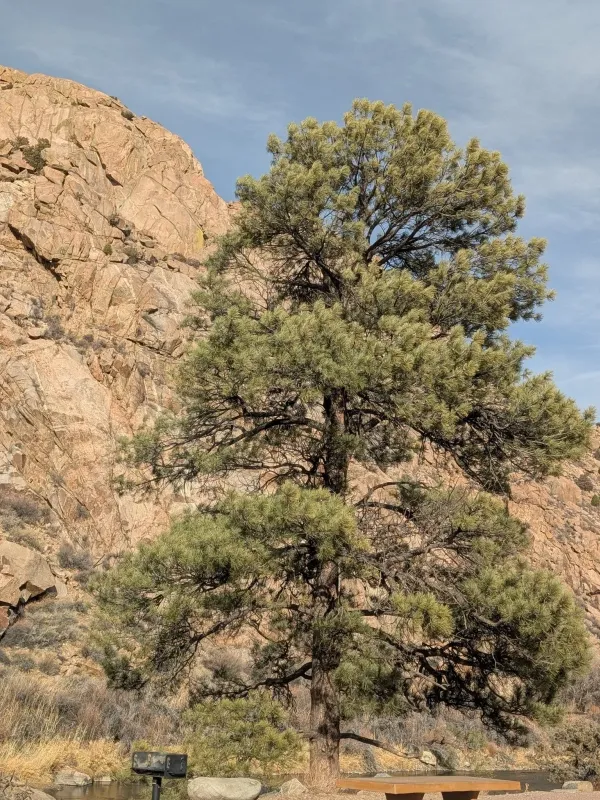
Description
Sowing dates
Seeds of Ponderosa pine (Pinus ponderosa subsp. scopulorum) require a cold stratification period of 30 to 60 days to break dormancy and ensure uniform germination. Sowing is typically performed in early spring once the threat of heavy frost has passed.
In nursery settings, seeds are sown in well-drained, sterile substrates at a depth of 1-2 cm. Maintaining consistent moisture levels is critical for the emergence of the radicle and the healthy development of the primary root system.
Containerized seedlings are often preferred for forest regeneration projects because they experience less transplant shock compared to bareroot stock. These seedlings should be robust and have a well-developed root plug before outplanting.
Optimal planting density ranges between 2,000 to 3,000 trees per hectare, depending on local silvicultural objectives. Proper spacing allows for adequate crown development and reduces future competition for resources.
When outplanting, it is essential to ensure the root system is placed straight in the hole. Compacting the soil gently around the base helps to eliminate air pockets and promotes faster establishment in the field.
Growing requirements
Ponderosa pine belongs to the Pinaceae family and is recognized for its broad ecological range and adaptability to different soil types. It thrives best in deep, well-drained loams or sandy soils with a slightly acidic pH.
This species is highly drought-tolerant, making it an excellent candidate for semi-arid environments. It is an obligate heliophyte, meaning it requires full sunlight to achieve optimal growth rates and avoid suppressed development.
The tree is adapted to continental climates characterized by hot summers and cold winters. It can withstand significant temperature fluctuations, provided there is adequate light and space for root expansion.
Nutrient management should focus on maintaining a balanced supply of essential elements, though Ponderosa pine is known for its ability to thrive in relatively nutrient-poor soils due to its association with mycorrhizal fungi.
Avoiding waterlogged sites is vital, as the species is susceptible to root rot in anaerobic soil conditions. Proper site selection involves evaluating topographical features to ensure good drainage and air circulation.
Main diseases and pests
Common fungal diseases include needle cast and various types of rusts that can impact overall tree vigor. Cultural management, such as removing infected foliage and ensuring good airflow, is essential for control.
Pests, particularly bark beetles and defoliators like the pine sawfly, represent significant threats to mature stands. Integrated Pest Management (IPM) strategies, including pheromone trapping, are frequently employed in professional forestry.
Young trees are vulnerable to damage from small mammals and rodents that gnaw on the bark during winter. Protective measures such as stem guards or fencing are often necessary to prevent girdling of the stems.
Environmental stress, such as prolonged drought or extreme heat, can predispose trees to secondary infestations. Maintaining a healthy, diverse forest ecosystem is the best defense against major outbreaks.
Regular forest health monitoring helps to identify potential issues early. Professional diagnosis and targeted interventions, including selective thinning and sanitation, are key to maintaining long-term forest health.