
Himalayan pine
Pinus wallichiana A. B. Jacks.
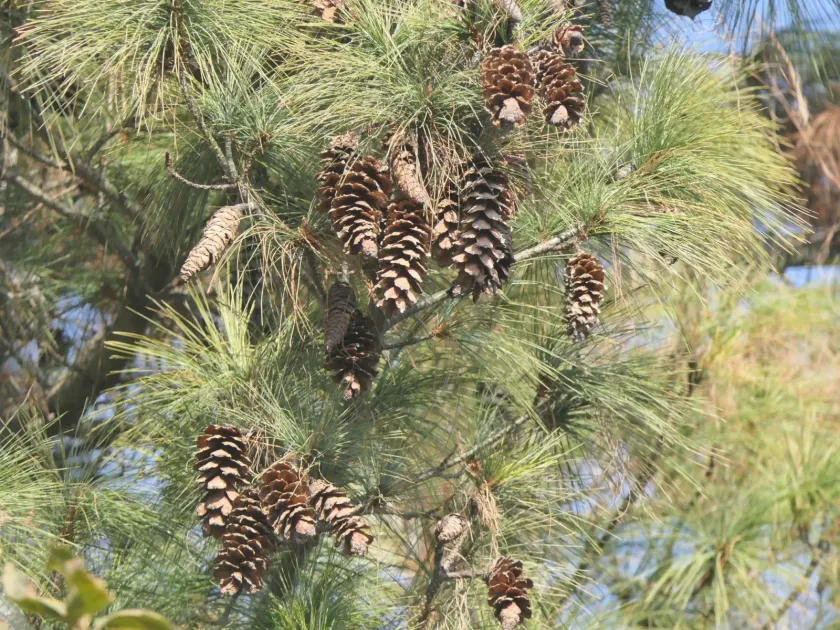
Description
Growing requirements
The Himalayan pine (Pinus wallichiana) is a species of coniferous tree in the Pinaceae family, widely recognized for its long, pendulous needles and graceful growth habit. Native to the mountain ranges of the Himalayas, this species thrives in cool, moist environments and is highly valued for ornamental purposes.
For successful cultivation, Himalayan pine requires deep, well-drained soil. While it can adapt to various soil types, sandy loam or loam mixtures are preferred. Stagnant water is detrimental to the root system, so proper site selection or the installation of a drainage system is essential for tree longevity.
The species prefers full sun exposure to maintain its characteristic density and color. However, young trees may benefit from partial shade during the hottest hours of the day in regions with intense summer heat. It is vital to plant in areas protected from strong, drying winds to prevent desiccation.
Climate-wise, this pine prefers temperate zones with high humidity. While it is hardy in many climates once established, extreme winter winds can cause foliage burn. Providing consistent moisture during the first few growing seasons is critical for developing a robust root system capable of supporting the tree.
Maintenance practices should focus on mulching the root zone to conserve soil moisture and temperature. Avoid excessive fertilization, as this pine species is relatively undemanding regarding nutrients; nitrogen-rich fertilizers should be applied sparingly, ideally only during the active spring growth phase.
Main diseases and pests
Pests such as pine needle scale and aphids are the most common threats to the Himalayan pine. If an infestation occurs, targeted application of systemic insecticides is necessary to protect the tree’s aesthetic value and overall health, especially for young, vulnerable specimens.
Fungal diseases like Lophodermium needle cast can cause premature needle drop and decline. Managing foliage density through proper spacing and regular sanitation pruning can improve air circulation, significantly reducing the likelihood of severe fungal outbreaks in the crown.
Rust fungi can cause serious trunk or branch lesions. When detected, affected areas should be pruned back to healthy wood, and the tools must be sanitized immediately. Removing intermediate hosts from the vicinity of the plantation is a standard agronomic practice to mitigate rust risk.
Root rot, primarily caused by waterlogged soils, is a silent threat to the Himalayan pine. Ensuring that the soil structure remains aerated is the best preventative measure, as chemical treatments are often ineffective once the root system has suffered significant damage from fungal pathogens.
Regular visual inspections are recommended at least twice per season. Early intervention, whether for pest control or disease management, is crucial to maintaining the health and decorative appeal of this iconic Himalayan tree species throughout its life cycle.