
Virginia pine
Pinus virginiana Mill.
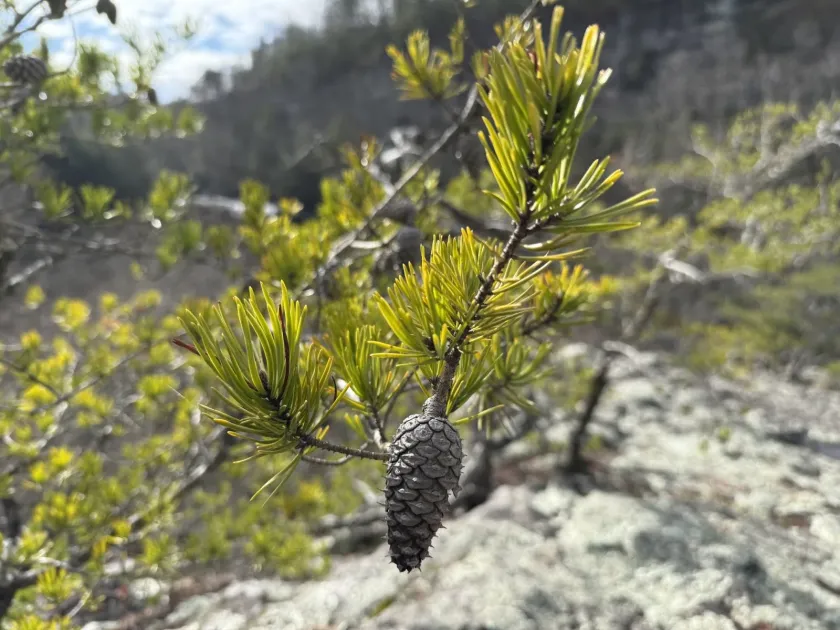
Description
Growing requirements
Virginia pine (Pinus virginiana Mill.) is a coniferous tree belonging to the Pinaceae family, native to the eastern United States. It is a small to medium-sized tree known for its ability to thrive on poor, sandy, or rocky soils where other species fail.
This species is highly shade-intolerant, requiring full sunlight for optimal growth and development. It is an aggressive pioneer species that quickly colonizes abandoned farmland and degraded landscapes.
The cultural requirements include well-drained soil and temperate climatic conditions. While it is drought-tolerant once established, younger trees require consistent moisture to survive the initial planting phase.
Silvicultural practices focus on maintaining optimal stocking density to promote straight trunk growth, although the species naturally tends to have a somewhat gnarled and irregular appearance.
Economically, the Virginia pine is widely used in the paper industry and is highly popular as a Christmas tree due to its strong branches and fragrant, persistent needles.
Main diseases and pests
The pine wilt nematode is the most severe biological threat to the species, often transmitted by sawyer beetles. Affected trees usually show rapid wilting and discoloration, necessitating immediate removal.
Bark beetles represent a significant risk, particularly during periods of environmental stress such as extreme heat or prolonged drought. Preventive thinning helps maintain tree vigor and resistance.
Fungal diseases like needle cast and tip blight can occur, especially in nurseries with high humidity levels. Cultural control through proper spacing and pruning ensures adequate airflow and reduces moisture retention.
Small mammals and deer can damage young saplings by browsing on buds and needles during winter months. Protecting seedlings with wire cages is recommended in areas with high wildlife pressure.
Weed management is vital in the first two to three years post-planting. Effective control of competing vegetation ensures that young pines have access to sufficient soil nutrients and sunlight.