
Loblolly pine
Pinus taeda L.
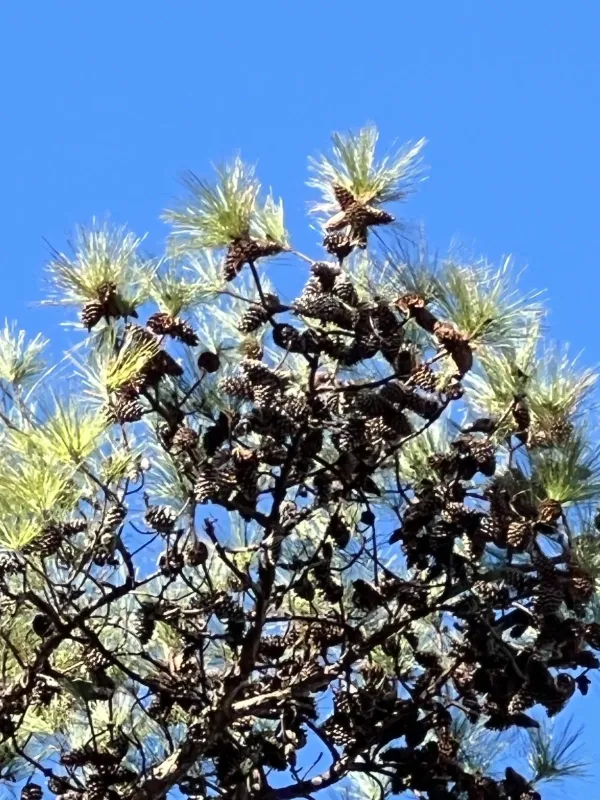
Description
Sowing dates
Loblolly pine is primarily established using nursery-grown seedlings, which ensures high survival rates and uniformity in early plantation growth.
The optimal planting season is during the dormant period, typically late winter or early spring, before the onset of the new growing season.
Site preparation, such as mechanical subsoiling or vegetation control, is critical to minimize competition for nutrients and water during the establishment phase.
Standard planting densities range from 600 to 1,000 seedlings per acre, depending on the management objective, such as pulpwood or sawtimber production.
Seedlings must be handled with care to protect their root systems from drying out during transportation and the planting process in the field.
Growing requirements
As a member of the Pinaceae family, the Loblolly pine thrives in warm, humid climates characterized by long growing seasons and significant annual rainfall.
The species is highly adaptable but performs best on well-drained, acidic, loamy, or sandy soils that provide adequate moisture retention.
Loblolly pine is an intolerant species, meaning it requires full sun exposure to reach its maximum growth potential and develop strong, healthy stems.
It is native to the Southeastern United States, where environmental conditions support its rapid growth rate compared to other native coniferous species.
Proper nutrient management through soil testing and site-specific fertilization can significantly enhance stand volume and overall tree health.
Yield
Loblolly pine is recognized as one of the most commercially important timber species globally due to its exceptional growth rate and wood quality.
It serves as the backbone of the forest products industry, providing a steady supply of timber for construction, structural framing, and home building.
The species is also a primary source for the pulp and paper industry, contributing significantly to the global supply of wood fibers and packaging materials.
Sustainable plantation management allows for periodic thinning and final harvesting, ensuring a continuous supply of wood products for decades.
- Dimensional lumber for construction
- Plywood and composite wood products
- Pulpwood for paper and cardboard
- Utility poles and pilings
Main diseases and pests
The pales weevil is a significant pest that poses a serious threat to young seedlings shortly after planting, often requiring chemical or management interventions.
Fusiform rust is a major fungal disease causing galls on stems and branches, which can lead to significant timber volume loss and stem deformities.
Bark beetles, particularly southern pine beetles, can cause extensive mortality in older stands, especially during periods of environmental stress or drought.
Annosus root rot is another common soil-borne disease that affects stand density and requires careful monitoring during thinning operations.
Effective forest health management involves integrated pest management strategies, including maintaining tree vigor and promoting biological diversity within the forest.