
Radiata pine
Pinus radiata D. Don
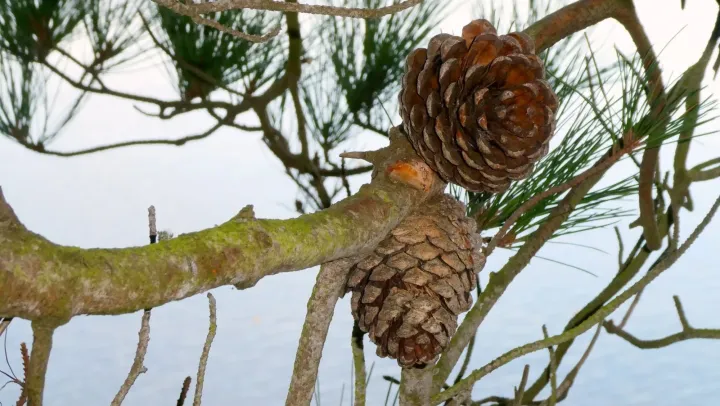
Description
Sowing dates
Radiata pine (Pinus radiata) belongs to the Pinaceae family and is recognized globally as one of the fastest-growing coniferous species. Commercially, seeds are sown in nurseries during spring, once soil temperatures are consistently above 10–12°C.
To ensure high germination rates, seeds are often subjected to stratification. Using professional growing media with controlled pH helps promote robust root system development in seedlings during their first months.
Seedlings are transplanted to their permanent sites after 1–2 years in the nursery. The optimal planting window is usually early spring or autumn, providing favorable moisture levels for establishment.
Planting density is adjusted based on the specific end-use goal; wider spacing is preferred for timber production to ensure branches receive enough light, resulting in higher-quality wood.
The species is known for its rapid growth, often reaching commercial maturity in just 25–30 years, a feat that makes it a highly valuable resource for commercial forestry plantations.
Growing requirements
This species thrives in mild, temperate climates with high humidity. While it can tolerate short frosts, it is not suited for areas with prolonged, harsh winter temperatures, which can damage juvenile growth.
Radiata pine prefers deep, well-drained soils. It is highly sensitive to waterlogged conditions, making proper soil drainage an essential prerequisite for site selection and forest success.
High solar radiation is required for maximum photosynthetic activity. Excessive shading during the early years restricts growth and increases the risk of susceptibility to various fungal infections.
Consistent rainfall throughout the year is ideal. In regions experiencing extended summer droughts, growth rates may drop significantly, potentially necessitating irrigation systems to maintain productivity.
Soil nutrient management is crucial for intensive production. Regular application of fertilizers containing nitrogen and phosphorus on nutrient-poor sites significantly enhances tree vigor and stem quality.
Yield
The yield of Radiata pine is defined by its impressive timber volume production. Due to its metabolic efficiency, it consistently outperforms many other coniferous species in terms of biomass gain.
Annual growth rates often range between 15 and 30 cubic meters per hectare, depending on site quality and management practices. This high yield makes it a dominant species in global timber markets.
Its timber is highly versatile, serving as a staple in the pulp and paper industry, construction, and high-end furniture manufacturing due to its uniform texture and ease of processing.
Intermediate thinnings represent a strategic yield opportunity, providing income early in the rotation cycle while simultaneously improving the growth conditions for the remaining crop trees.
Total harvest yield is directly correlated with genetic selection and strict adherence to silvicultural prescriptions throughout the tree's lifespan, from nursery selection to final felling.
Main diseases and pests
Dothistroma needle blight, caused by the fungus Dothistroma septosporum, is a significant threat that causes needle loss and stunted growth, especially in humid and warm conditions.
Insect pests, including various wood-boring beetles, can attack stressed trees, leading to substantial damage. Integrated Pest Management (IPM) strategies are vital for maintaining plantation health.
Drought stress increases the vulnerability of plantations to secondary pests. Maintaining plantation vigor through proper thinning and site maintenance is the best preventive measure against such outbreaks.
Fire remains a critical risk in Radiata pine plantations. Maintaining firebreaks, managing forest floor debris, and implementing strict fire prevention protocols are essential for large-scale operations.
Genetic diversity in plantations is often low, increasing the risk of widespread disease. Using disease-resistant clones and maintaining a mosaic of age structures helps buffer against major losses.
Harvesting
Harvesting typically occurs when trees reach industrial maturity, usually between 25 and 40 years, depending on the site conditions and the intended use of the timber products.
Modern forestry relies on mechanized harvesters and forwarders to ensure efficiency. This equipment minimizes soil disturbance and enhances the safety of the harvesting operations.
Post-harvest log sorting and grading are critical steps. Proper sorting allows timber to be directed to the most valuable market segments, such as sawlogs for construction or pulpwood for paper mills.
Following harvest, site cleanup and soil preparation are necessary to prepare for the next generation of trees. This cycle ensures the sustainability of the forest resource.
Detailed harvest planning is conducted years in advance, integrating logistical requirements and market demand to ensure the most cost-effective transportation of timber to processing facilities.