
Macedonian pine
Pinus peuce Griseb.
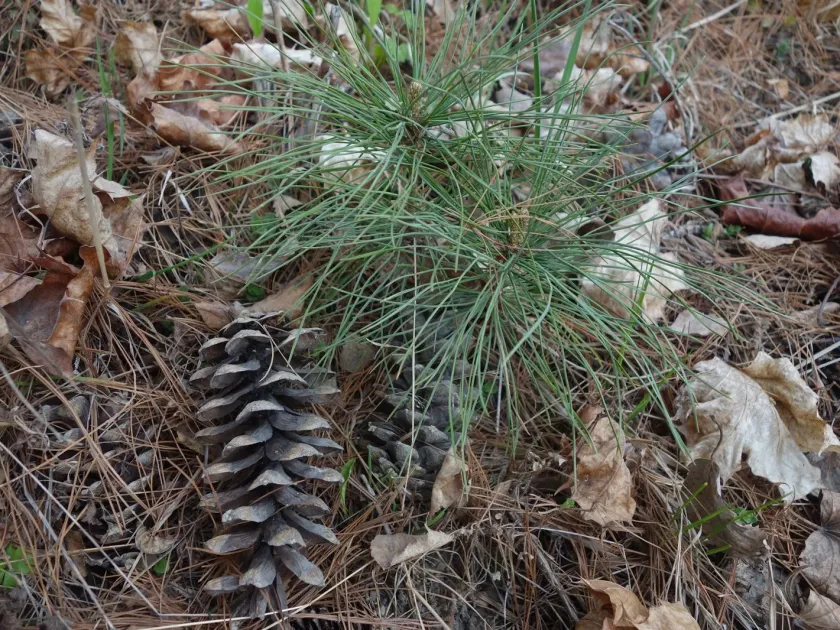
Description
Sowing dates
Sowing of Pinus peuce seeds is ideally performed in early spring, following a cold stratification process lasting at least two months to break seed dormancy.
Seeds are sown in a well-draining medium containing a mix of peat and coarse sand, buried approximately 1-2 centimeters deep to ensure successful germination.
During the initial growth stages, it is critical to keep the soil consistently moist but not waterlogged to prevent damping-off diseases common in nursery beds.
Seedlings should be kept in a shaded, ventilated area for the first year, gradually exposing them to more light as they strengthen and mature.
Transplanting into the permanent location should be done carefully to protect the fine root hair structure, which is sensitive to mechanical disturbance.
Growing requirements
The Macedonian pine is a member of the Pinaceae family, native to the high mountains of the Balkan Peninsula, where it thrives in harsh, rocky terrains.
This tree is remarkably hardy and tolerant of cold, windy environments, making it a reliable choice for landscaping in temperate to sub-alpine climates.
It prefers deep, well-drained, slightly acidic to neutral soils, though it can survive in nutrient-poor conditions if moisture is adequate.
While the tree is highly shade-tolerant as a juvenile, it prefers full sun to partial shade for optimal density and growth rate in its mature form.
Basic maintenance includes mulching to maintain soil structure and applying balanced fertilizer for conifers once per year during the early spring season.
Main diseases and pests
The primary pathological threat is white pine blister rust, caused by the fungus Cronartium ribicola, which can cause significant damage to the trunk and branches.
Pests such as sawflies and scale insects can affect the tree's health, causing needle drop and reduction in overall aesthetic value if left uncontrolled.
Integrated pest management, including monitoring and the use of targeted systemic insecticides, is recommended for healthy and robust tree development.
Good air circulation around the tree is essential to reduce the humidity levels that favor fungal spore germination and disease spread.
- Annual visual inspections for insect clusters
- Use of copper-based fungicides for fungal prevention
- Prompt removal of necrotic twigs