
Japanese white pine
Pinus parviflora Siebold & Zucc.
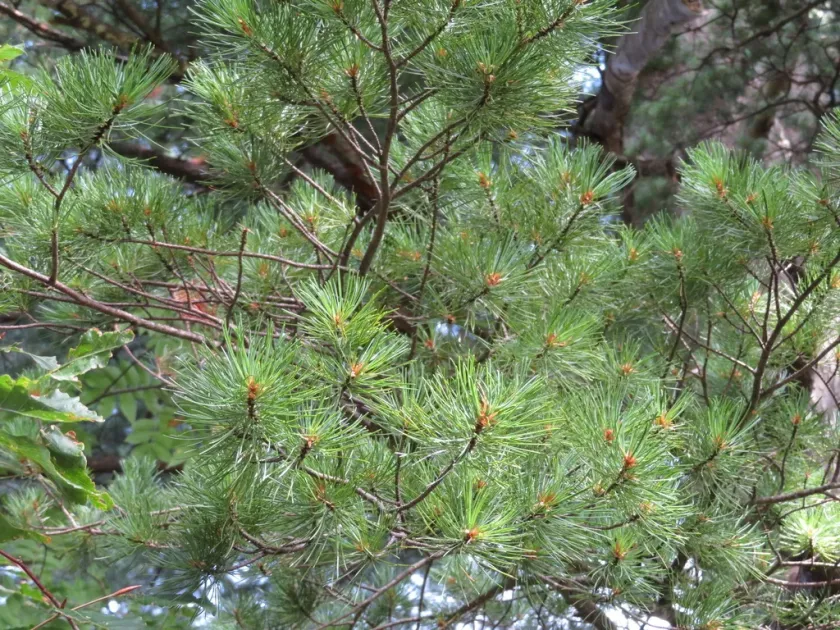
Description
Sowing dates
Seeds of the Japanese white pine require cold stratification for 1 to 2 months at temperatures around 4°C to break dormancy and ensure high germination rates. Sowing is typically performed in early spring in a well-drained, sterile substrate consisting of sand and peat.
Seedlings need protection from direct, scorching sun and should be kept in a well-ventilated area with moderate humidity. Overwatering is a common mistake that often leads to fungal root diseases, commonly known as damping-off, which can destroy an entire batch of seedlings.
Vegetative propagation is widely used for specific cultivars to maintain their unique shape, color, and size. Grafting onto Pinus sylvestris rootstock is the standard commercial method, ensuring that the offspring retain the exact genetic traits of the parent plant.
Young plants should be transplanted to their permanent location when they are strong enough, usually after 3 to 5 years of nursery growth. Careful handling of the root ball is essential to prevent shock, as pine roots are sensitive and do not tolerate excessive disturbance.
During planting, ensure that the root collar is placed exactly at the soil surface level. Adding organic mulch around the base helps maintain moisture levels and suppresses weeds, creating a stable environment for the young pine to establish itself.
Growing requirements
The Japanese white pine is a prominent member of the Pinaceae family, native to Japan. It is highly valued in horticulture for its distinct needles, which feature blue-white stomatal bands, and its elegant, slow-growing pyramidal or irregular canopy.
This species thrives in well-drained, slightly acidic, sandy or loamy soils. It cannot tolerate waterlogged conditions, which lead to root rot; therefore, selecting a site with natural or improved drainage is a fundamental requirement for successful cultivation.
The tree prefers a sunny location with partial shade during the hottest part of the day in warmer climates. It is relatively hardy but benefits from protection against drying winter winds, which can cause dehydration of the needles, a condition known as winter burn.
Fertilization should be handled with care, using specialized slow-release fertilizers designed for conifers. High nitrogen levels should be avoided, as they promote soft, succulent growth that is susceptible to frost damage in the late autumn and early winter months.
Regular but controlled watering is necessary during the establishment phase and during dry summer periods. Watering should be applied at the base of the tree to keep the foliage dry, which significantly reduces the risk of fungal infections and needle cast diseases.
Main diseases and pests
Needle cast and rust fungi represent the most significant disease threats to the Japanese white pine. These infections manifest as yellowing or browning needles that drop prematurely, often starting from the inner or lower parts of the tree and spreading outward.
Pests such as woolly adelgids, mites, and scale insects are common intruders. They weaken the tree by extracting sap from the new growth, causing stunted development and the appearance of white, cottony secretions or dusty patches on the needle surfaces.
Boring insects can also pose a risk to older or stressed trees. Maintaining tree vigor through proper site selection and regular maintenance is the best preventive strategy against these opportunistic pests that target unhealthy timber.
Preventive fungicide treatments should be applied in early spring and autumn to manage fungal spore levels. In cases of active pest infestations, systemic insecticides or horticultural oils are recommended to control the population without harming the tree's health.
Proper sanitation is essential for managing pests and diseases. Removing and destroying infected branches or fallen needles helps reduce the pathogen load in the immediate area, preventing the cycle of reinfection during subsequent growing seasons.