
Mountain pine
Pinus mugo Turra
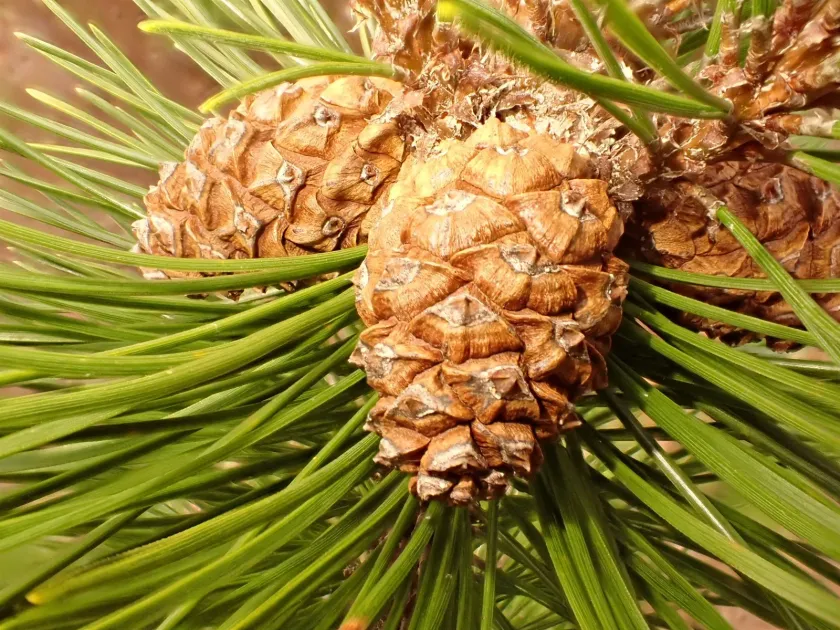
Description
Sowing dates
Mountain pine (Pinus mugo Turra) belongs to the Pinaceae family and is a versatile conifer species widely used in both forestry and ornamental landscaping.
The propagation is typically done through seeds, which require stratification for at least 60 to 90 days at low temperatures to ensure successful germination in the spring season.
When sowing, seeds are placed in a well-draining medium, covering them with a thin layer of soil and maintaining consistent moisture until seedlings are established.
Seedlings develop slowly during the first year and require partial protection from harsh sun and strong winds to ensure robust root system development.
Transplanting into final nursery beds is conducted once the saplings reach sufficient size, typically after two years of growth in a controlled environment.
Growing requirements
This species is highly adaptable to various soil types, thriving in rocky, sandy, and acidic conditions where other common ornamental species might struggle.
Pinus mugo is an extremely light-demanding plant and must be situated in full sun to maintain its characteristic compact shape and dense foliage density.
The culture is remarkably hardy, showing high resistance to extreme cold and drought, which allows for cultivation across diverse geographic and climatic zones.
Agricultural management is relatively low-maintenance, requiring minimal irrigation once the plant is established and occasional pruning to maintain desired dimensions.
It is crucial to avoid planting in heavy, waterlogged soils, as this significantly increases the risk of root rot and other physiological disorders.
Main diseases and pests
The most common fungal threats include needle cast and pine rust, which cause discoloration and premature shedding of needles, weakening the overall structure of the pine.
Pest outbreaks often involve aphid infestations or scale insects that feed on the sap and can lead to secondary infections by attracting opportunistic pathogens.
Proper sanitation, including the removal of dead needles and affected twigs, is essential to minimize the spread of fungal spores during humid weather conditions.
Strategic use of preventative fungicides and systemic insecticides is recommended during the active growth period if pest populations or fungal signs are detected.
- Regular monitoring of needle condition.
- Maintaining proper spacing to ensure good air circulation.
- Balanced fertilization to promote natural plant resistance.