
Luchu pine
Pinus luchuensis Mayr
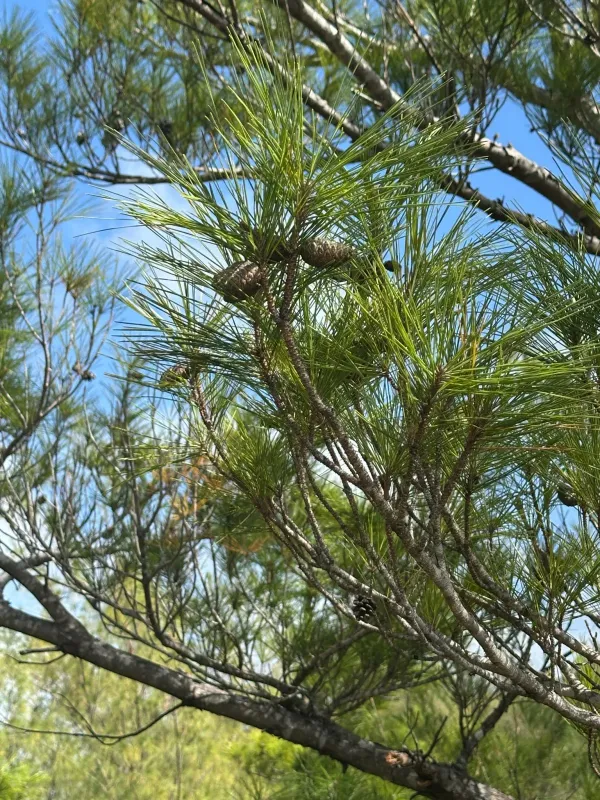
Description
Growing requirements
The Luchu pine (Pinus luchuensis) is a prominent evergreen coniferous tree belonging to the Pinaceae family. It is recognized for its ability to thrive in challenging subtropical island conditions, reaching significant heights in maturity.
The species is native to the Ryukyu Islands of Japan, where it has evolved to tolerate the humid maritime climate. Its natural range is characterized by rocky soils and frequent exposure to strong coastal winds and salt spray.
Cultivation requirements for this pine include well-drained soil and high levels of sunlight. It is a heliophilous species, meaning it requires full sun exposure for healthy development, particularly in its juvenile stage to prevent legginess.
In terms of soil preference, Pinus luchuensis adapts well to various substrates provided they have excellent drainage. It is moderately tolerant of nutrient-poor soils, making it useful for reforestation and coastal erosion control projects.
Economically, the tree is primarily managed for timber production and ecological restoration. Its hardy nature allows it to be used in landscape projects where salt tolerance is a prerequisite for planting success.
Main diseases and pests
The most severe biological threat to the Luchu pine is the pine wood nematode (Bursaphelenchus xylophilus), which causes rapid wilting and mortality. The transmission of this pathogen by vector beetles is a major concern for forest managers.
Various fungal infections, such as needle blight and root rot, represent significant risks to plantations, especially in regions with excessive precipitation or poor site drainage.
Pest management focuses on maintaining stand hygiene and regular scouting for insect activity. Bark beetles, in particular, can rapidly colonize trees weakened by environmental stress or previous infections.
Prevention strategies involve implementing strict silvicultural practices, including the removal of dead or dying timber to disrupt the life cycles of wood-boring insects and fungal pathogens.
Nursery management is equally critical, as early-stage seedlings are highly susceptible to damping-off diseases and other soil-borne pathogens that can devastate young populations before they are transplanted.