
Jeffrey pine
Pinus jeffreyi Balf.
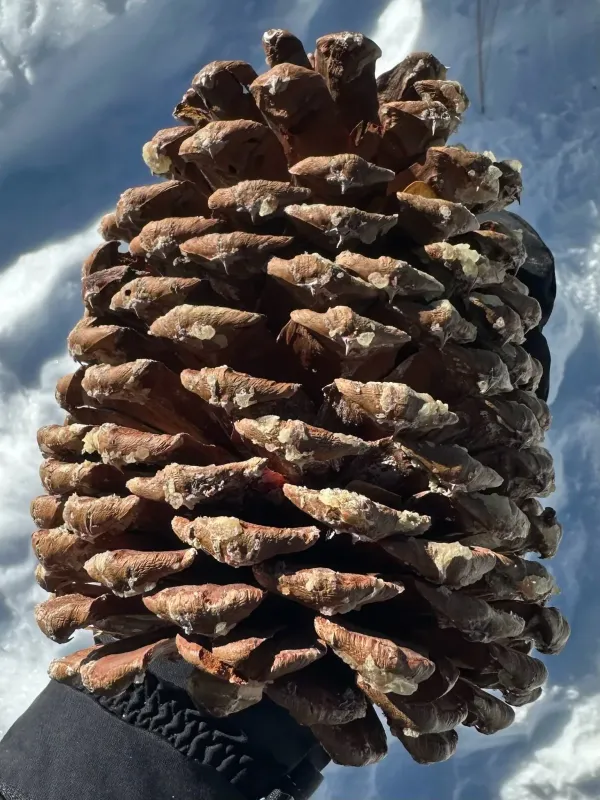
Description
Growing requirements
Jeffrey pine (Pinus jeffreyi) belongs to the Pinaceae family. It is a robust coniferous species native to the mountain ranges of Western North America, particularly California and Oregon.
This species thrives in well-drained, sandy, or rocky soils. It is notably drought-tolerant and can establish itself in nutrient-poor environments, making it an excellent candidate for reforesting challenging sites.
Regarding climate, the Jeffrey pine prefers regions with cool winters and dry, warm summers. While it is hardy in mountainous zones, it requires adequate drainage to prevent root rot during wet seasons.
Botanically, the tree is distinguished by its bluish-green needles in bundles of three and large, heavy cones with prickles that curve inward. Mature trees feature thick, plated bark often described as smelling of vanilla or butterscotch.
Economically, it is valued for its high-quality timber and as an ornamental species in large landscape designs. Its ability to grow in diverse mountain conditions supports biodiversity in mixed forest stands.
Main diseases and pests
Common threats to Pinus jeffreyi include needle cast diseases and rust fungi. These pathogens are most prevalent in areas with high humidity or poor air circulation within the canopy.
Bark beetles represent the most significant insect threat. They often attack stressed trees, so maintaining stand vigor through proper spacing and management is essential for long-term health.
Defoliating insects can occasionally cause outbreaks, leading to significant needle loss and reduced tree growth. Regular monitoring of the foliage is recommended to catch infestations early.
To mitigate disease pressure, foresters should avoid planting in areas prone to seasonal flooding, as waterlogged roots are significantly more susceptible to root pathogens and fungal infections.
Effective management strategies include the removal of infested material and the targeted application of pesticides, ensuring that the ecological balance is maintained while protecting individual tree health.