
Mexican pinyon
Pinus cembroides Zucc.
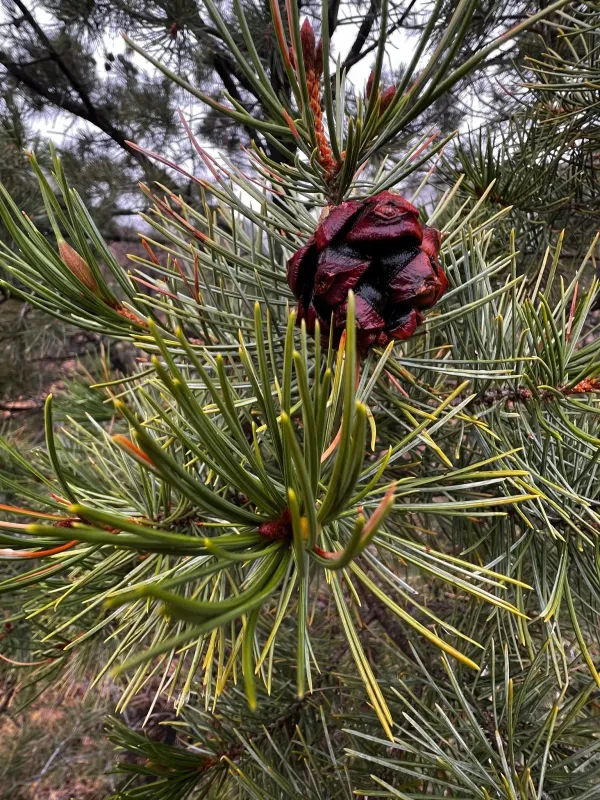
Description
Sowing dates
Sowing seeds of the Mexican pinyon is primarily conducted in the spring, following a necessary cold stratification period. Seeds require 30 to 60 days of chilling to break dormancy and ensure a high germination rate.
In nursery settings, light, well-draining sandy substrates are preferred to prevent water stagnation. Seeds are typically planted at a depth of 1 to 2 centimeters, mimicking their natural seed-dispersal depth.
Seedlings usually emerge within 3 to 4 weeks, provided that soil moisture remains consistent. During the early developmental stages, shade protection is recommended to shield young plants from excessive heat and direct radiation.
Transplanting to a permanent location should occur when the saplings are 2 to 3 years old. It is crucial to maintain the integrity of the root ball to reduce transplant shock and promote faster establishment.
Seed propagation is the standard method for this species, as it preserves genetic diversity and ensures that the trees are well-adapted to the local environmental conditions where they are planted.
Growing requirements
The Mexican pinyon (Pinus cembroides), belonging to the Pinaceae family, is a drought-tolerant mountain species. It is naturally adapted to poor, rocky, and calcareous soils with excellent aeration properties.
This tree thrives in full sun exposure and requires significant light to maintain its health and structural integrity. Its high tolerance for arid conditions makes it a suitable candidate for reforestation in dry regions.
Optimal growth occurs at temperatures between +15 and +25 degrees Celsius. While it can withstand occasional frost, it is highly sensitive to waterlogged soils, which can lead to rapid root decline.
The ideal planting site features well-drained soil with a neutral to slightly alkaline pH. Drainage is the most important factor in site selection, as these trees are prone to root rot in saturated conditions.
Strategic planting spacing is necessary to ensure adequate airflow between mature trees. Proper ventilation prevents the development of fungal pathogens and supports long-term plantation health.
Yield
The main commercial value of the Mexican pinyon lies in its edible seeds, commonly referred to as pinyon nuts. Productive yields typically begin when trees reach 15 to 20 years of age.
Seed production is characterized by natural fluctuations, with "mast years" (heavy production) alternating with leaner seasons based on climatic conditions during the flowering phase.
The seeds are highly nutritious, containing essential fatty acids, proteins, and minerals. Compared to other pine species, Mexican pinyon nuts are larger and possess a thinner, easier-to-remove shell.
In a productive year, a single mature tree can yield several kilograms of seeds. Harvesting is generally performed by gathering fallen cones or by manually stripping them from the branches.
Beyond their nutritional value, these trees are managed for ecological restoration and local seed production, offering a sustainable resource for landowners and forestry managers.
Main diseases and pests
Bark beetles represent the most significant threat to the Mexican pinyon, particularly targeting trees stressed by drought or injury. Preventative management involves removing deadwood and maintaining tree vigor.
Young shoots are sometimes prone to aphid or adelgid infestations, which can stunt growth and deform needles. Integrated pest management, including localized insecticide application, is effective when outbreaks occur.
Fungal diseases, such as needle cast, may develop in conditions of high humidity or poor air circulation. Symptoms include yellowing and premature needle shed, which weakens the tree's photosynthesis capacity.
Cultural practices, such as pruning infected branches and ensuring proper spacing, are the most effective ways to mitigate disease risks. Early detection through regular monitoring is key to successful treatment.
Root rot pathogens are a persistent threat in areas with poor drainage. Once established, these diseases are difficult to treat, making proactive site selection and proper watering crucial for prevention.
Harvesting
Cones are harvested in late autumn once they reach maturity but before they open naturally to disperse their seeds. Timing is critical to prevent yield loss from premature opening on the tree.
Cones are typically gathered by hand or by using specialized shaking equipment. Once harvested, they are stored in a dry, ventilated area to facilitate the opening of the scales.
As the cones dry, they release their seeds, which are then cleaned to remove debris and residual resin. Drying the seeds to a moisture level below 10% is essential to ensure long-term stability.
Seeds should be stored in cool, low-humidity conditions using breathable containers, such as linen sacks. This prevents mold growth and preserves the oil quality of the pinyon nuts.
The final quality of the harvest is determined by the care taken during drying and storage. Properly processed seeds can maintain their flavor and market quality for up to two years.