
Japanese black pine
Pinus thunbergii Parl.
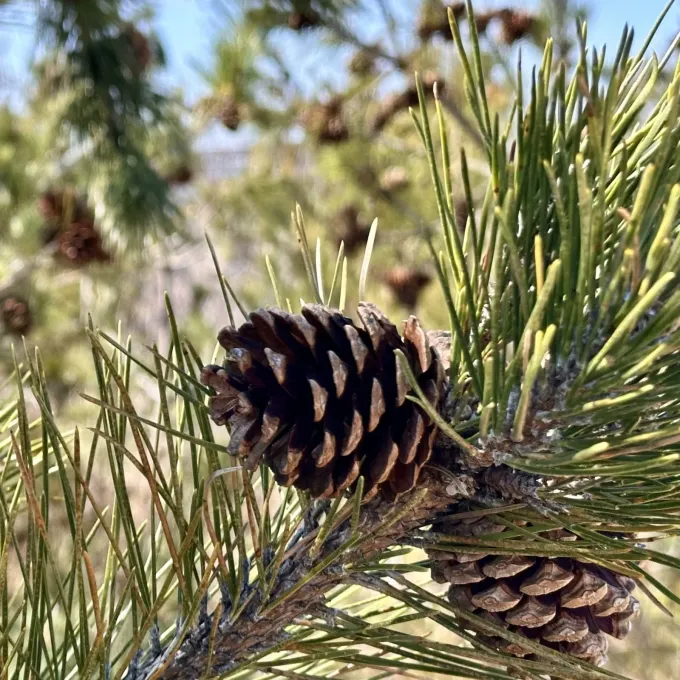
Description
Growing requirements
Japanese black pine (Pinus thunbergii Parl.) is a member of the Pinaceae family. Known for its aesthetic appeal, this evergreen conifer is a staple in Japanese gardens and coastal landscaping due to its resilience.
The species originates from the coastal regions of Japan and the Korean Peninsula. Because of its native habitat, the tree is exceptionally tolerant of salt spray and strong winds, making it an ideal choice for seaside planting locations.
Regarding soil requirements, this pine prefers sandy, well-drained soils. While it can survive in nutrient-poor conditions, adequate drainage is non-negotiable to ensure the health of the roots and prevent waterlogging issues.
The tree thrives in full sun exposure. Sunlight is crucial for the development of its characteristic thick needles and dense branch structure. Planting in shady spots will inevitably lead to thin foliage and sparse growth.
Agrotechnical maintenance focuses on the initial establishment phase. Once mature, the tree becomes quite drought-tolerant, but regular deep watering during dry seasons is essential for young saplings to build a robust root system.
Main diseases and pests
Pine wilt disease, caused by the pine wood nematode, remains the most devastating threat to the species. This pest is typically introduced by sawyer beetles, and there is currently no effective chemical cure once a tree is fully infected.
Needle cast fungi are common threats, especially in areas with high humidity. These pathogens cause needle browning and premature drop, which can significantly weaken the tree if not treated with appropriate fungicides.
Common insect pests include scale insects and various species of pine sawflies. These pests feed on the needles or sap, and their activity can be managed through timely applications of horticultural oils or systemic insecticides.
Root rot, specifically caused by Phytophthora, can occur if soil drainage is compromised. Improving the site drainage is the primary cultural control method to prevent these soil-borne diseases.
Regular monitoring and pruning of dead or diseased branches are critical practices. Maintaining a clean garden environment by removing fallen needles helps reduce the overwintering sites for fungal spores and insect larvae.