
Lenwebbia prominens
Lenwebbia prominens
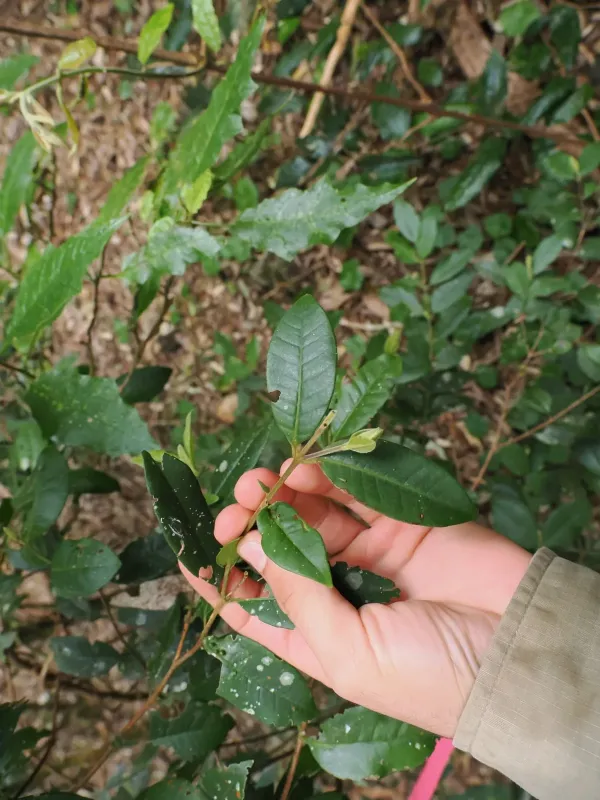
Description
Growing requirements
Lenwebbia prominens is a woody shrub or small tree belonging to the Myrtaceae family. Native to the coastal rainforests of eastern Australia, this plant is well-adapted to humid, shaded environments within its natural range.
Cultivating this species requires a stable subtropical climate, as it cannot withstand frost or extreme heat. The ideal soil profile consists of well-drained, acidic organic matter that retains moisture without becoming waterlogged.
Light requirements for this species are specific, as it thrives in dappled sunlight or partial shade. Exposure to direct, intense solar radiation often leads to leaf scorch and general physiological stress in younger specimens.
Agronomic management involves maintaining consistent moisture levels and providing protection from desiccating winds. In controlled settings, such as nurseries or botanical collections, it is crucial to simulate forest floor conditions.
While not a major commercial crop, Lenwebbia prominens has potential value in ornamental horticulture and botanical research. Its unique physiological adaptation to low-light environments makes it a specimen of interest for conservation-focused gardeners.
Main diseases and pests
The most common health issues for Lenwebbia prominens stem from poor drainage, which facilitates fungal infections like Phytophthora. These pathogens attack the root system, often leading to rapid decline if left untreated.
Insect pests such as scale insects and aphids represent a recurring threat, particularly in enclosed or greenhouse settings. These pests extract plant sap, weakening the foliage and promoting the growth of sooty mold.
Mitigation strategies emphasize sanitation and controlled environmental conditions. Ensuring adequate spacing between plants and maintaining good airflow are essential to reduce the humidity levels that favor fungal spore germination.
Integrated Pest Management (IPM) is the preferred approach for controlling infestations. Horticultural oils and neem-based soaps are generally effective against soft-bodied insects without harming the plant's delicate tissues.
Regular monitoring of the root ball and stem collar is vital during the growing season. Early detection of environmental stress or pest presence allows for corrective measures before significant damage occurs to the plant's structure.