
Kunzea recurva
Kunzea recurva
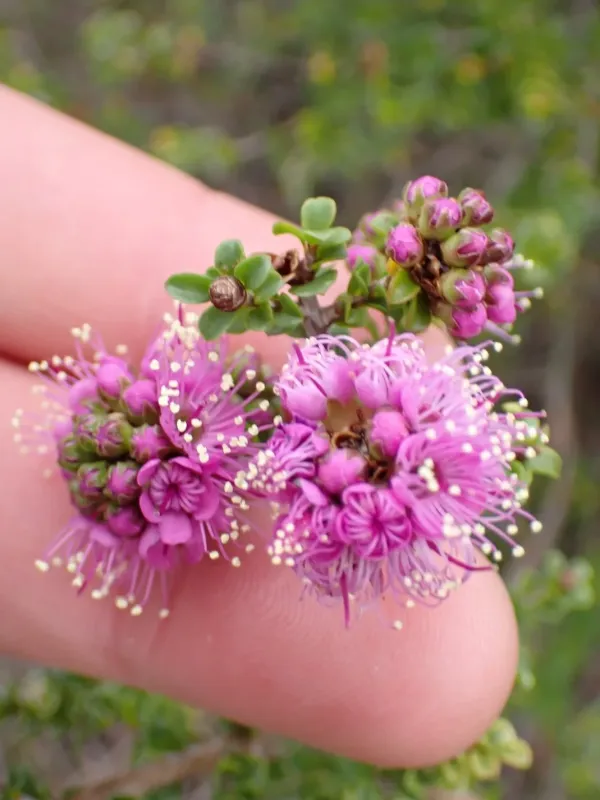
Description
Growing requirements
Kunzea recurva is an evergreen shrub belonging to the Myrtaceae family, native to the southwestern regions of Western Australia. The plant is botanically distinguished by its unique leaf structure and ability to thrive in harsh, nutrient-poor landscapes.
In terms of soil requirements, this species demands exceptionally well-drained, sandy conditions. It is highly intolerant of waterlogging, which often leads to rapid deterioration of the plant's sensitive root system. Optimal drainage is the key factor in successful cultivation.
The climate requirements include full exposure to direct sunlight and protection from severe frosts. It is ideally suited to Mediterranean-style climates, characterized by warm, dry summers and cool, wet winters, mimicking its natural habitat.
Cultivation practices involve minimal intervention regarding soil fertilization. Like many Proteaceae and Myrtaceae species, it is sensitive to phosphorus-based fertilizers, so a slow-release, low-phosphorus nutrient approach is recommended for healthy development.
Economically, the plant is primarily cultivated in the nursery trade. It serves as an ornamental asset, valued for its distinctive foliage and attractive floral displays that draw pollinators, making it an excellent candidate for ecological restoration projects.
Main diseases and pests
The primary threats to Kunzea recurva are soil-borne pathogens, most notably Phytophthora cinnamomi. This pathogen causes root rot, which is difficult to treat once the symptoms become visible in the canopy.
Pests such as scale insects and spider mites can occasionally affect the plant, particularly in sheltered or poorly ventilated environments. Integrated pest management, focusing on early detection and physical removal, is highly effective.
Maintaining air circulation is critical to prevent fungal outbreaks, including powdery mildew and sooty mold. Proper pruning practices not only shape the plant but also ensure that the inner canopy remains dry and well-aerated.
Disease management strategies emphasize the importance of using certified, disease-free nursery stock to avoid introducing soil pathogens into new planting areas. Strict quarantine measures should be applied in commercial production nurseries.
Ultimately, the resilience of the species is reinforced by selecting sites that prevent water accumulation and providing sufficient space between plants to allow for natural airflow and light penetration across all foliage.