
Kunzea ambigua
Kunzea ambigua
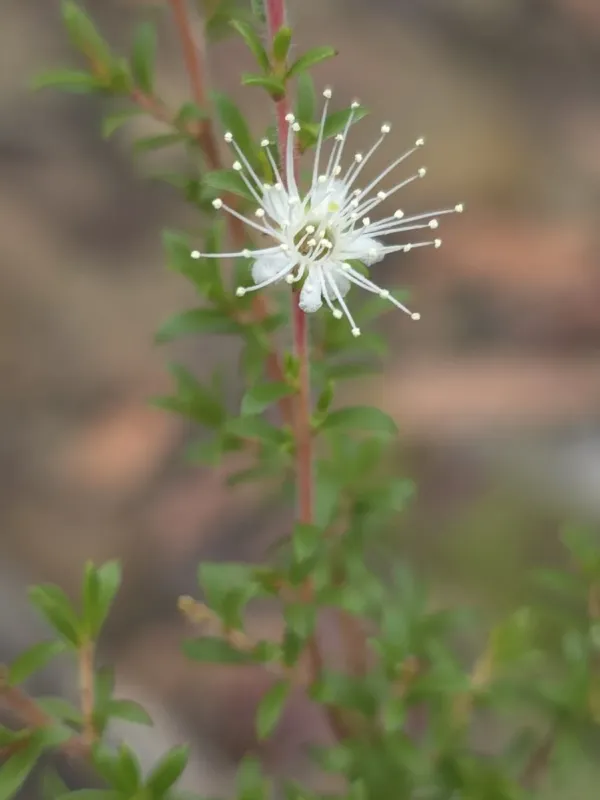
Description
Sowing dates
Seeds of Kunzea ambigua are sown in late winter or early spring in a temperature range of 20–22°C. Due to their small size, seeds are surface-sown on a well-draining, sterile potting mix and kept consistently moist until germination occurs.
Propagation by cuttings is the preferred method for commercial cultivation. Semi-hardwood cuttings taken in late summer respond well to rooting hormones and are placed in a porous medium, such as a mix of perlite and sand, under mist or high-humidity conditions.
Germination typically takes three to five weeks. Once seedlings have developed their second set of true leaves, they should be gradually acclimated to lower humidity levels to strengthen the plants before transplanting.
Transplanting into the field should occur once the root system is well-established and frost risks have passed. Young plants need careful monitoring during the first few weeks in the ground to ensure they do not dry out excessively.
Optimal row spacing depends on the harvest technique employed. Close spacing is used for mechanical harvesting of green foliage, while wider spacing is preferred if plants are intended for landscape or large-scale shrub management.
Growing requirements
Kunzea ambigua thrives in sunny locations with full exposure to direct sunlight. As a member of the Myrtaceae family, it is well-adapted to poor, acidic, or neutral soils and requires excellent drainage to prevent root diseases.
The plant is remarkably hardy once established, though it requires regular watering during the first growing season. It cannot tolerate waterlogged soils, which are the primary cause of plant death in many nursery and field settings.
While the species is moderately cold-tolerant, it performs best in temperate climates. It can survive occasional frost, but prolonged sub-zero temperatures may cause foliage damage, necessitating protection in cooler regions.
Fertilization should be handled with caution. Kunzea species are generally sensitive to high phosphorus levels, so low-phosphorus organic fertilizers applied in early spring are sufficient to support growth without causing stress to the plant.
Proper air circulation is critical for the health of the plant. Dense plantings should be avoided to ensure that wind can move through the canopy, reducing the humidity levels that encourage fungal pathogen development.
Yield
The primary economic output of Kunzea ambigua is its essential oil, extracted via steam distillation from the fresh foliage. The yield and chemical composition are influenced by the plant's maturity, season of harvest, and local environmental conditions.
Plants reach peak foliage production after three to four years of growth. Harvesting typically occurs when the plant is in flower or active vegetative growth, as these stages correlate with higher concentrations of beneficial terpenoids.
The essential oil is highly valued for its antiseptic and anti-inflammatory properties, with significant market demand in the aromatherapy and pharmaceutical sectors. Consistency in oil quality is maintained through standardized harvest timing.
A well-managed plantation can provide multiple harvests throughout the year in warmer regions. Strategic pruning not only provides the raw material but also encourages bushier growth, thereby increasing the potential yield of subsequent harvests.
Yield optimization is closely linked to the speed of processing. Fresh foliage should be distilled immediately to prevent the degradation of volatile compounds that give the essential oil its characteristic therapeutic profile.
Main diseases and pests
Kunzea ambigua is relatively resilient to many common pests, primarily due to the potent aromatic oils present in its leaves. However, mealybugs can occasionally become an issue in greenhouse environments or in poorly ventilated field conditions.
Phytophthora root rot is the most serious threat to the crop. It is almost always associated with improper irrigation practices or poor soil drainage, leading to rapid decline and death of the root system.
Spider mites may infest the plants during hot, dry spells, especially if the plants are water-stressed. Regular inspection of the undersides of leaves and maintaining optimal hydration levels are effective cultural controls.
Leaf-eating insects are generally a minor concern. Because the species is a native to Australia, it has developed natural defenses against local insects, making the crop suitable for low-pesticide or organic management systems.
Fungal leaf spots can occur if the foliage remains wet for extended periods in high-humidity environments. Maintaining wide planting distances and avoiding overhead irrigation can significantly reduce the incidence of these diseases.
Harvesting
Harvesting is performed in dry, sunny weather to maximize the concentration of essential oils in the foliage. Mechanical hedge trimmers or manual pruning shears are commonly used to remove the top growth of the branches.
Post-harvest, the foliage must be transported to the processing facility without delay. If immediate distillation is not possible, the biomass should be stored in a cool, well-ventilated area to prevent heating and volatilization of the oils.
Drying of the raw material is rarely recommended if the end goal is high-quality essential oil extraction. If drying is necessary for transport, temperatures must be kept low to preserve the delicate chemical composition of the oil.
Pruning is an essential part of the harvest process, serving to maintain the plant in a juvenile, high-growth state. This practice prevents the plant from becoming too woody and improves the access for future harvesting operations.
The harvested foliage is inspected and cleaned of non-target debris before distillation. Efficient processing ensures that the final product maintains the purity and bioactivity required for pharmaceutical-grade applications.