
Kunzea affinis
Kunzea affinis
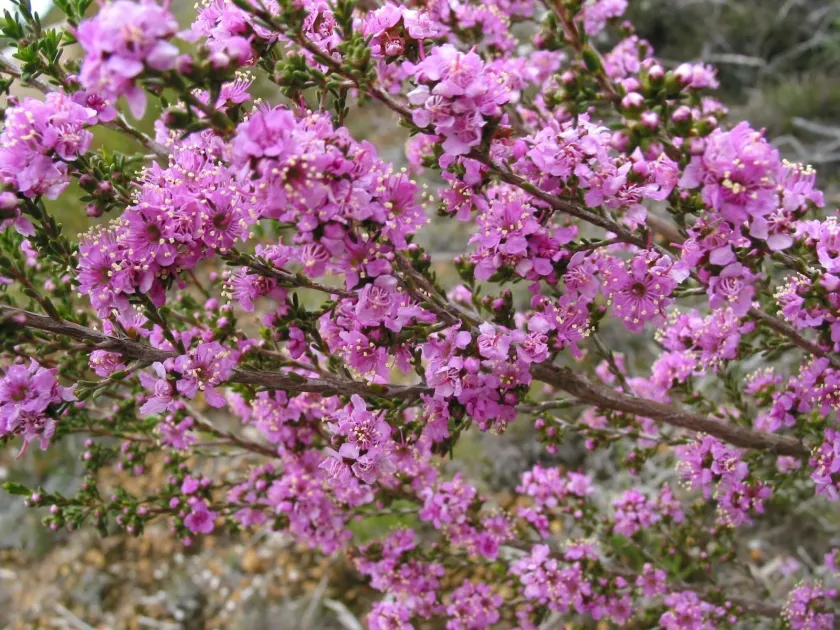
Description
Growing requirements
Kunzea affinis is a perennial evergreen shrub belonging to the Myrtaceae family. Native to the diverse landscapes of Australia, this species has evolved to thrive in well-drained, sandy, or rocky soils typical of its natural habitat.
The plant demands a high level of sun exposure to maintain optimal physiological activity. Soil drainage is the most critical agricultural factor, as stagnant water is detrimental to the plant’s health and predisposes it to various root rot conditions.
Climate preferences for Kunzea affinis involve warm, temperate conditions. While it can withstand moderate temperatures, it does not tolerate severe frosts, which limits its outdoor commercial cultivation to Mediterranean-like climatic zones.
Agricultural practices require precise irrigation management. During the active growing season, consistent moisture is necessary, but the soil must be allowed to dry slightly between watering cycles to prevent root hypoxia.
The species is primarily cultivated for its high-quality essential oils extracted from the leaves. These oils contain unique terpenes with antimicrobial properties, making the plant highly sought after in the pharmaceutical and fragrance industries.
Main diseases and pests
Root rot, particularly caused by Phytophthora species, remains the primary threat to Kunzea affinis crops. Once the roots are compromised, recovery is rarely possible, making preventive drainage management essential.
Spider mites are common pests that thrive in dry, warm conditions. They target the underside of leaves, causing chlorophyll depletion and potential plant decline if not managed with appropriate miticides.
Aphids pose a risk during the spring flush, attacking the soft, new growth. Early intervention using systematic insecticidal treatments or biological control agents is recommended to protect the integrity of the foliage.
Powdery mildew can affect the plants if airflow is poor and humidity levels fluctuate significantly. Maintaining proper spacing between rows is a vital cultural practice to reduce the incidence of fungal spores.
Integrated pest management (IPM) is the most effective approach for Kunzea affinis, combining regular field monitoring with balanced nutrient application to ensure the plants are resistant to minor infestations.