
Kardomia prominens
Kardomia prominens
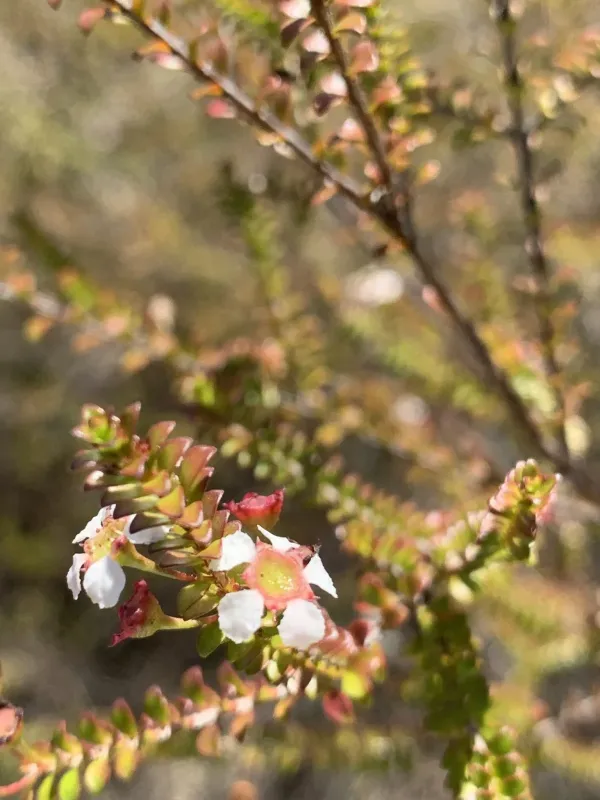
Description
Growing requirements
Kardomia prominens is a distinctive perennial shrub belonging to the Myrtaceae family. Native to parts of Australia, it thrives in rocky, well-draining habitats, showcasing the unique evolutionary adaptations of the local flora.
The plant features small, aromatic foliage typical of the Myrtaceae family, often producing delicate flowers that enhance its ornamental value in garden settings. Its growth habit is usually compact, making it suitable for both border planting and container gardening.
Regarding environmental conditions, the plant requires a sunny location with high light exposure to maintain its vigorous growth and density. It prefers a climate that avoids extreme frost, as it is native to regions with mild or subtropical temperatures.
The soil should be sandy or loamy with excellent drainage properties. It does not tolerate waterlogging, which often leads to root death; therefore, creating a raised bed or adding gravel to the planting hole is highly recommended.
Agronomic management involves periodic light fertilization with slow-release nutrients and moderate irrigation. Once established, the shrub shows a moderate level of tolerance to dry spells.
Main diseases and pests
Root rot caused by Oomycetes is the most significant pathological threat to Kardomia prominens when grown in poorly drained, heavy soils.
Fungal leaf spots can occur under conditions of high humidity and poor air circulation, which necessitates thinning of the foliage if the shrub becomes too dense.
Common pests include scale insects and spider mites, which can infest the underside of the leaves, causing chlorosis and general decline in plant vigor.
Integrated pest management strategies should focus on biological control first, followed by the application of horticultural oils or insecticides if the infestation threshold is exceeded.
Maintaining a clean garden environment by removing fallen debris and ensuring optimal watering practices are key steps in preventing the onset of major pests and diseases.