
Gossia hillii
Gossia hillii
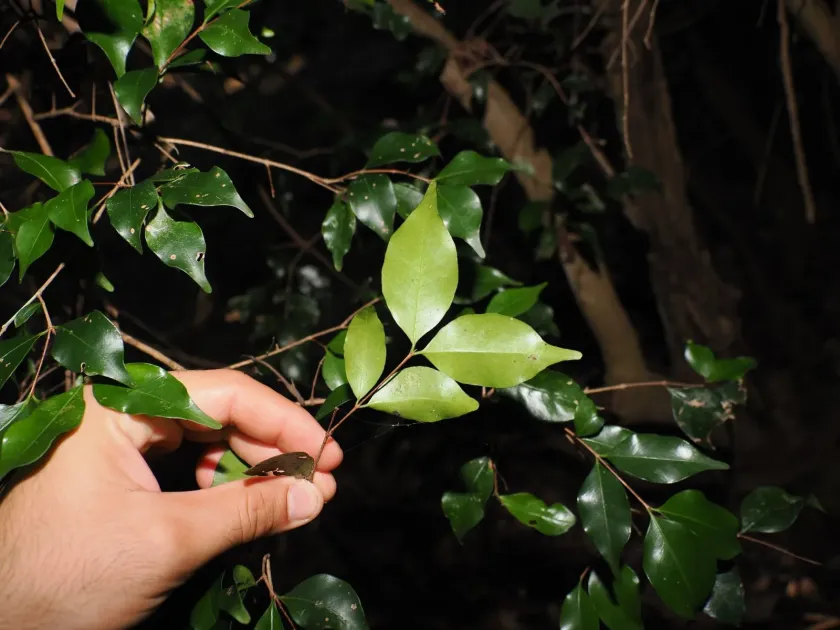
Description
Growing requirements
Gossia hillii is an evergreen species belonging to the Myrtaceae family. Native to the rainforests of eastern Australia, this plant is characterized by its glossy, dense foliage and elegant growth habit, often utilized in decorative landscape applications.
This species thrives in well-draining, nutrient-rich soils with a slightly acidic profile. Proper soil structure is essential, as waterlogging can cause immediate damage to the root system, often leading to rapid decline in the plant's health.
Climatically, the plant is adapted to humid, warm environments. It is highly sensitive to frost and extreme cold, requiring a stable, warm location. In temperate regions, it is best kept in containers to allow for indoor protection during winter months.
Light requirements are focused on bright, indirect sunlight. While mature plants may tolerate some direct exposure, younger specimens benefit from partial shade to prevent leaf scorching and to maintain deep green coloration.
Maintenance practices involve consistent, moderate watering and the application of balanced fertilizers during the growing season. Pruning should be performed periodically to shape the canopy and stimulate bushy, healthy new growth.
Main diseases and pests
The primary threats to Gossia hillii are fungal diseases associated with poor aeration and excessive soil moisture. Root rot pathogens are particularly dangerous, often introduced through contaminated water or stagnant soil conditions.
Pests that commonly infest this plant include scale insects, mealybugs, and spider mites. These pests thrive in dry environments and can quickly weaken the plant by feeding on its sap, leading to yellowing leaves and reduced vigor.
Effective pest management involves integrated control methods, such as using horticultural oils or systemic insecticides if infestations become severe. Maintaining optimal air circulation is a key preventative measure.
Fungal issues are best managed by ensuring that the canopy remains dry and that the root zone is never overly saturated. Removing fallen debris from the base of the plant reduces the potential for spore survival and infection spread.
Regular inspection is critical for early detection of potential threats. By monitoring the undersides of leaves and the junction of branches, gardeners can address pest or disease outbreaks before they compromise the structural integrity of the plant.