
Gossia gonoclada
Gossia gonoclada
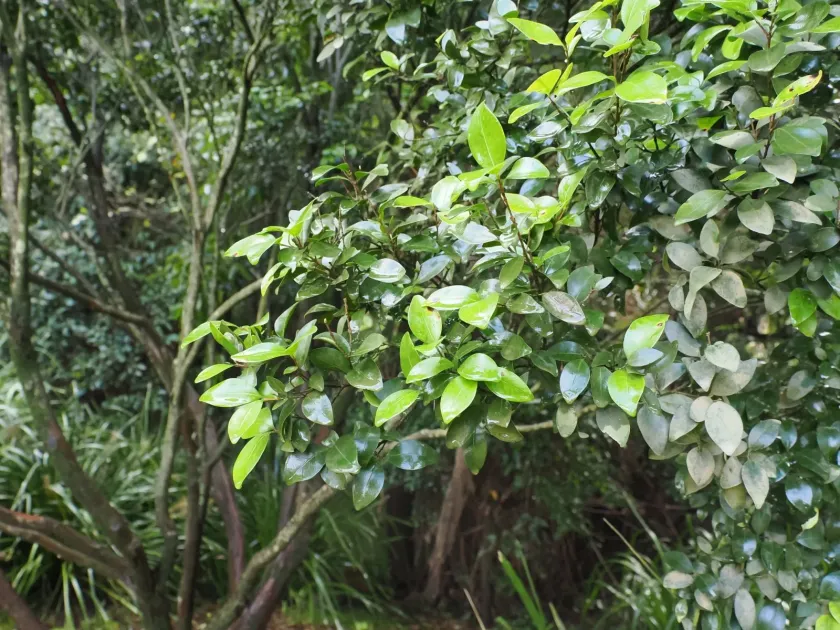
Description
Growing requirements
Gossia gonoclada is a distinct woody species belonging to the Myrtaceae family, known for its limited distribution and ecological significance. As an evergreen tree, it typically forms part of the subtropical forest canopy, contributing to the structural complexity of its habitat.
The species is endemic to the coastal regions of Queensland, Australia. It thrives in fertile, well-drained soils and requires consistent rainfall, which is characteristic of the specific microclimates where isolated populations currently persist.
Morphologically, the tree is recognized by its unique four-angled young branches, a feature that distinguishes it within the Gossia genus. Its foliage is dense and aromatic, supporting a variety of local insect species that play a vital role in its pollination process.
Successful cultivation of this species in conservation nurseries depends on replicating the dappled shade and high-humidity environment of its natural forest floor. Careful soil management is necessary to prevent pathogenic fungal infections that often threaten vulnerable native plants.
Agricultural and forestry interests regarding Gossia gonoclada are currently focused on ex-situ conservation. By managing nursery propagation, scientists aim to increase the population size and ensure the long-term survival of this species against environmental degradation and habitat loss.