
Gossia bidwillii
Gossia bidwillii
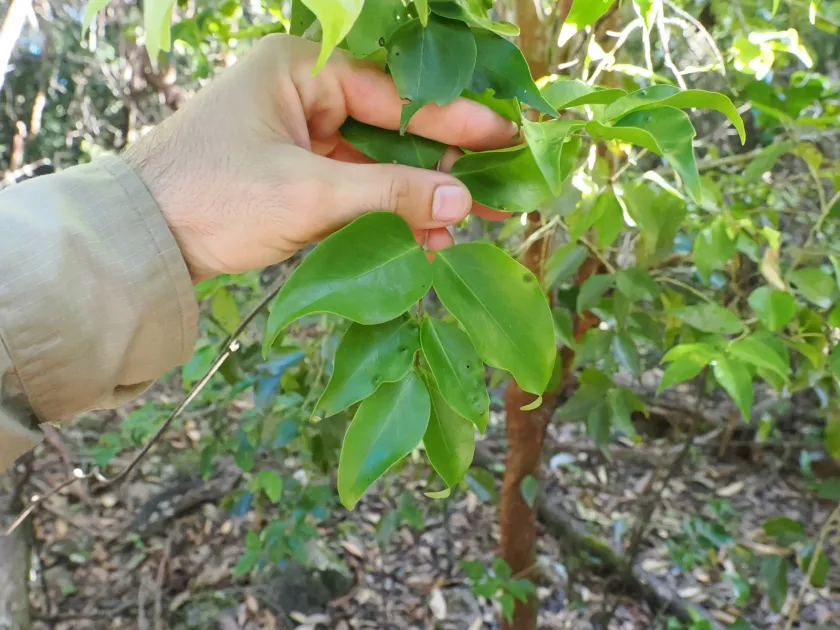
Description
Growing requirements
Gossia bidwillii is a member of the Myrtaceae family, known for its elegant foliage and botanical significance. It typically grows as a dense, evergreen tree or a robust shrub, depending on the environmental conditions.
Native to the eastern coastal regions of Australia, this species thrives in tropical and subtropical forest ecosystems. It is well-adapted to high humidity and stable temperatures characteristic of its original habitat.
For successful cultivation, Gossia bidwillii requires a spot with bright, indirect sunlight. While it can tolerate partial shade, too little light may reduce the density of the foliage and overall vigor of the plant.
The soil should be fertile, well-draining, and slightly acidic. It is crucial to maintain consistent moisture levels without waterlogging the roots, as this species is sensitive to poorly aerated or compacted substrates.
Historically and commercially, this plant is primarily utilized in ornamental horticulture. Its unique appearance makes it a desirable choice for botanical collections and specialized gardens in compatible climates.
Main diseases and pests
Common pathological threats include fungal infections such as leaf spot and root rot, often triggered by excessive humidity levels and poor airflow in closed cultivation environments.
Pests that frequently target this species include aphids, scale insects, and mealybugs. These organisms thrive in sheltered, warm conditions and can quickly infest young shoots and undersides of leaves.
Implementing a rigorous sanitation program, including the removal of dead or decaying plant material, is essential to minimize the spread of fungal spores and pest infestations within the garden.
Integrated pest management strategies should be employed, prioritizing the use of horticultural oils and soaps during the early stages of a pest outbreak to reduce reliance on heavy chemicals.
- Regular pruning for better air circulation
- Monitoring for sap-sucking pests
- Application of specialized fungicides if symptoms persist