
Gossia acmenoides
Gossia acmenoides
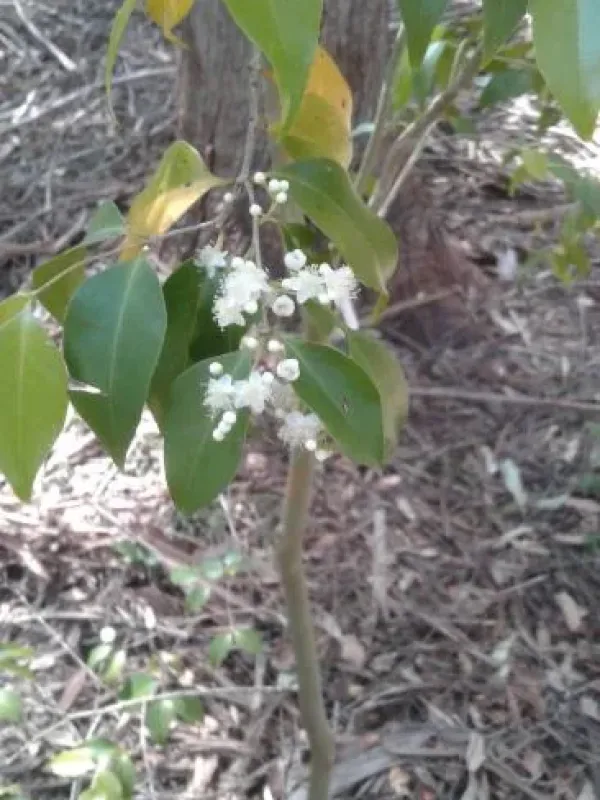
Description
Sowing dates
Gossia acmenoides, a member of the Myrtaceae family, is a distinctive shrub typically found in tropical and subtropical forest regions.
Sowing should be performed using fresh seeds in a well-draining, peat-based mix to ensure that the delicate roots are not waterlogged during the initial development phase.
Warm temperatures are critical for successful germination, ideally maintained between 22 and 25 degrees Celsius, along with consistent moisture levels.
The seeds should be covered lightly with vermiculite or fine soil and kept in a shaded area until germination occurs to prevent them from drying out.
Once the seedlings reach a height of approximately 10 centimeters, they should be transplanted into individual pots to encourage stronger lateral root growth.
Growing requirements
The plant thrives in environments with high humidity and bright, indirect light, mimicking the conditions of an open canopy forest floor.
Soil requirements focus on acidity and drainage; a mix containing compost and perlite is often recommended to maintain both nutrient availability and oxygen flow.
Climate management is essential; the species does not tolerate hard frosts and requires protection if temperatures drop below freezing for extended periods.
Regular watering is necessary during the summer months, while winter watering should be reduced to prevent root rot in the cooler, dormant period.
Fertilization with a balanced, slow-release fertilizer at the beginning of the growing season will help maintain the plant's health and vigor.
Main diseases and pests
- Scale insects (Coccidae) which can weaken the stems.
- Aphids that cluster on tender young growth tips.
- Root rot caused by Phytophthora in poorly drained soils.
- Powdery mildew in areas with poor ventilation.
Integrated pest management, including regular inspection and the use of insecticidal soaps, is effective in controlling common nursery pests for this species.
Maintaining proper spacing between plants helps increase airflow, which significantly reduces the risk of fungal outbreaks such as mildew during humid months.
Harvesting
In a horticultural context, Gossia acmenoides is often harvested or pruned to maintain a specific size and shape, particularly in container gardening.
The foliage is highly valued for its aesthetic appearance and aromatic qualities, making it a sought-after choice for specialized floral arrangements.
Pruning should be done after the main flowering flush to encourage denser branching and a more compact, tidy habit for the following year.
While not a primary commercial crop, its potential for oil production is sometimes researched, requiring careful handling of the leaves during the harvest phase.
Proper sanitation tools should be used during all pruning activities to prevent the spread of potential pathogens from one plant to another.