
Euryomyrtus ramosissima
Euryomyrtus ramosissima
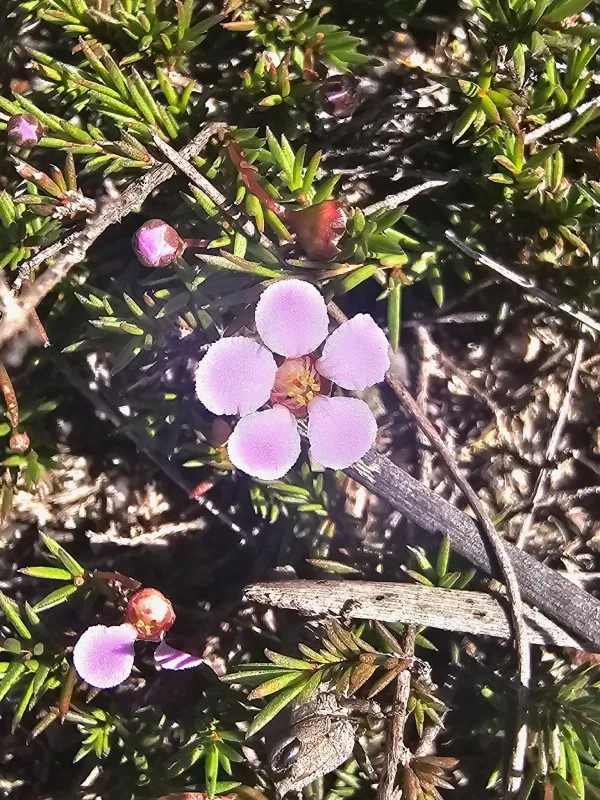
Description
Growing requirements
Euryomyrtus ramosissima is a perennial evergreen shrub belonging to the Myrtaceae family. It is widely recognized for its delicate, twiggy growth habit and its ability to produce a profusion of small flowers, typically ranging from white to soft pink, creating a dense display of color.
Originating from the diverse landscapes of Australia, this species is well-adapted to well-drained, sandy soils. In its native habitat, it occupies open heathlands where it benefits from high light intensity, which is essential for maintaining a compact shape and promoting floral development.
Successful cultivation requires strict adherence to soil moisture management. It thrives in soils that are low in phosphorus and high in drainage capacity. Gardeners should avoid heavy clay soils, as they tend to retain too much moisture, which can lead to rapid root decline in this species.
Climate preferences involve mild to warm conditions. While it possesses moderate frost tolerance, it is not suited for areas with prolonged, severe freezing temperatures. Container gardening is highly recommended in regions with harsh winters, allowing for protection during the colder months.
In terms of agricultural and horticultural use, it is prized as a premier choice for rock gardens and modern xeriscaping. Its slow growth rate makes it an ideal candidate for container arrangements, where it can provide structural beauty with minimal maintenance requirements.
Main diseases and pests
The primary threat to Euryomyrtus ramosissima is the presence of soil-borne pathogens, particularly Phytophthora, which thrives in saturated soil conditions. Proper irrigation techniques and the use of porous, inorganic soil amendments are the best preventative measures.
Pests are generally manageable, but infestations of scale insects and spider mites can occur, especially in greenhouse or indoor environments with low humidity. Monitoring the underside of the foliage and implementing early pest control methods effectively preserves the plant's aesthetic and physiological health.