
Eucalyptus urophylla
Eucalyptus urophylla S. T. Blake
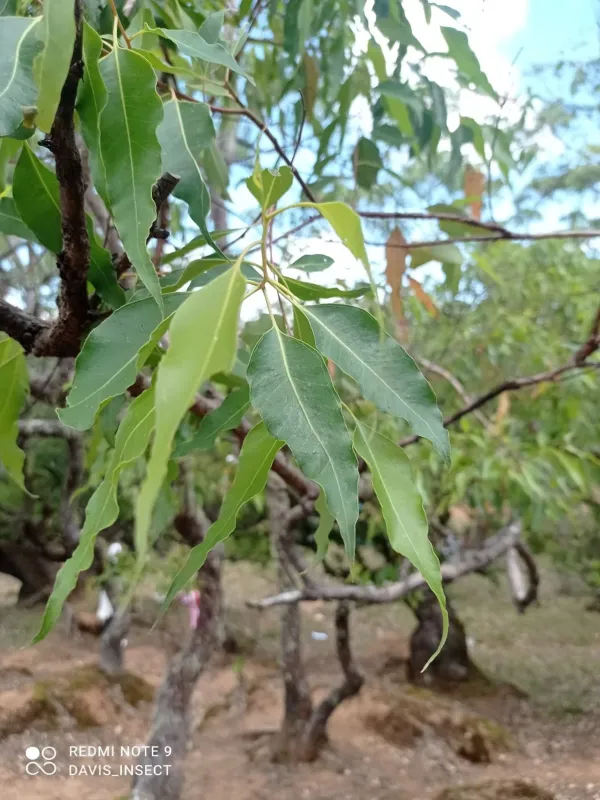
Description
Sowing dates
Eucalyptus urophylla is primarily propagated in nurseries using high-quality seeds or by vegetative cloning to ensure uniform growth performance.
Seeds are sown in trays filled with a sterile, well-draining potting medium, requiring temperatures of 25 to 30 degrees Celsius for successful germination.
Once seedlings reach a height of approximately 30 centimeters, they are ready for transplanting into the field, ideally timed with the start of the rainy season.
Site preparation involves clearing vegetation and deep tillage to facilitate rapid root penetration and establishment in the native soil.
Planting density is crucial for long-term yield and is typically set between 1,200 to 1,500 trees per hectare depending on the specific industrial requirements.
Growing requirements
Eucalyptus urophylla is a prominent member of the Myrtaceae family, native to the tropical islands of Indonesia and recognized for its rapid growth rate.
This species thrives in warm, humid tropical climates and requires an annual rainfall between 1,000 and 2,000 millimeters for optimal development.
The tree requires full sunlight to perform photosynthesis efficiently; therefore, it is poorly suited for shaded areas or understory planting conditions.
It prefers deep, well-drained soils, ideally with a slightly acidic pH, although it shows remarkable versatility across varying site qualities.
The tree is frost-sensitive and performs best in environments where temperatures remain consistently above 15 degrees Celsius throughout the year.
Yield
The primary use of Eucalyptus urophylla is in the production of high-quality pulp for the paper industry and solid wood for furniture manufacturing.
Its timber is known for its uniform texture, moderate density, and excellent machining properties, making it highly demanded in global wood markets.
The species is highly valued for its short rotation cycle, often reaching harvestable dimensions within 7 to 12 years under intensive management.
Eucalyptus urophylla is also extensively used in environmental reforestation projects and watershed protection due to its ability to stabilize soil effectively.
Consistent silvicultural practices, including pruning and thinning, are essential to maximize the volume of merchantable timber produced by each stand.
Main diseases and pests
Fungal leaf diseases such as Cylindrocladium leaf blight can be a major challenge in high-humidity regions, necessitating careful site management.
Insect pests, particularly termites, can cause significant damage to young plantations by attacking the roots, often requiring preventative soil treatment.
Defoliating insects can reduce the tree's growth rate by damaging the canopy, which requires constant monitoring and integrated pest management strategies.
Environmental stress, such as prolonged waterlogging or nutrient deficiencies, can weaken the trees and increase their susceptibility to various pathogens.
- Genetic selection for improved resistance to local diseases.
- Application of balanced fertilizers to support vigorous growth.
- Removal of infected debris to minimize pathogen spread.
Harvesting
Harvesting involves the clear-felling of mature stands once the trees have reached the optimal diameter required by the local processing industry.
Modern mechanization is commonly used for harvesting, allowing for efficient felling, delimbing, and sorting of logs directly at the plantation site.
After the harvest, some management regimes favor coppicing, where the root system remains to regenerate a new crop from the existing stumps.
Logistics are critical, as harvested timber needs to be moved quickly to prevent staining or degradation before it reaches the processing facility.
Harvest scheduling is planned to avoid the peak of the rainy season to minimize heavy machinery damage to the soil structure of the plantation.