
Eucalyptus youngiana
Eucalyptus youngiana F. Muell.
Description
Growing requirements
Eucalyptus youngiana, commonly known as the Ooldea mallee, is a distinct species within the Myrtaceae family, native to the arid interior of Western Australia.
This species is highly drought-tolerant, naturally thriving in sandy or stony soils with extremely low water availability. It requires full sun exposure to maintain its vigor and promote prolific flowering.
In terms of climate, it is strictly adapted to warm, arid environments and lacks significant frost hardiness, making it suitable only for specific geographical zones.
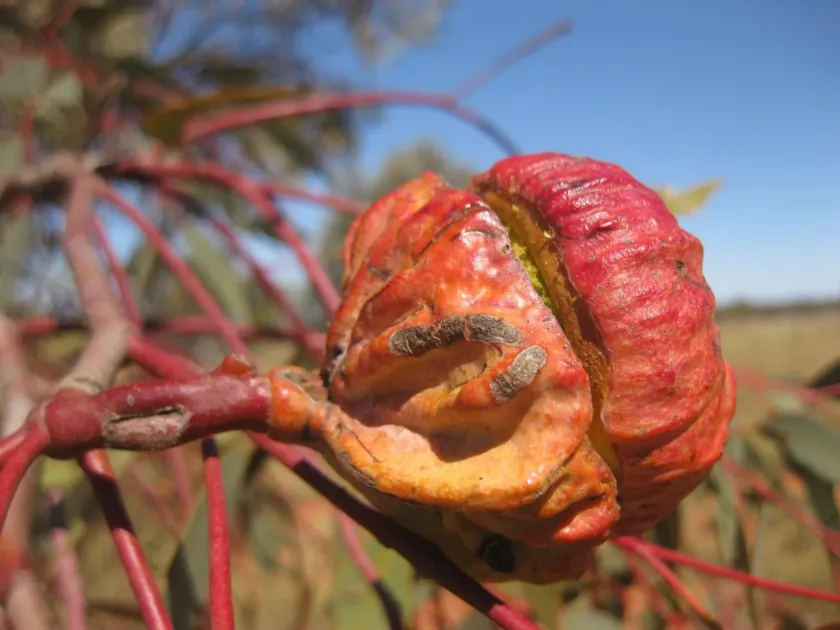
Botanically, it is recognized for its large, spectacular flowers ranging from red to yellow, and its robust, woody structure that characterizes many mallee-type eucalypts.
The practical application of this species includes ornamental gardening in dry climates and land stabilization projects aimed at preventing soil erosion in arid areas.
Main diseases and pests
Eucalyptus species are often susceptible to various leaf-feeding insects, including chrysomelid beetles, which can cause significant defoliation if left unchecked.
Fungal pathogens such as Phytophthora or leaf spot fungi can affect the tree's health, especially if the soil drainage is inadequate or humidity levels rise significantly.
Wood-boring insects may target the branches or trunks of mature trees, potentially introducing secondary infections that weaken the structural integrity of the plant.
Proper horticultural management involves regular monitoring for signs of infestation and ensuring that the tree is not subjected to overly damp environmental conditions.
Integrated pest management strategies are recommended, focusing on maintaining tree health through correct watering and avoiding mechanical damage to the bark.