
Eucalyptus grandis
Eucalyptus grandis W. Hill ex Maiden
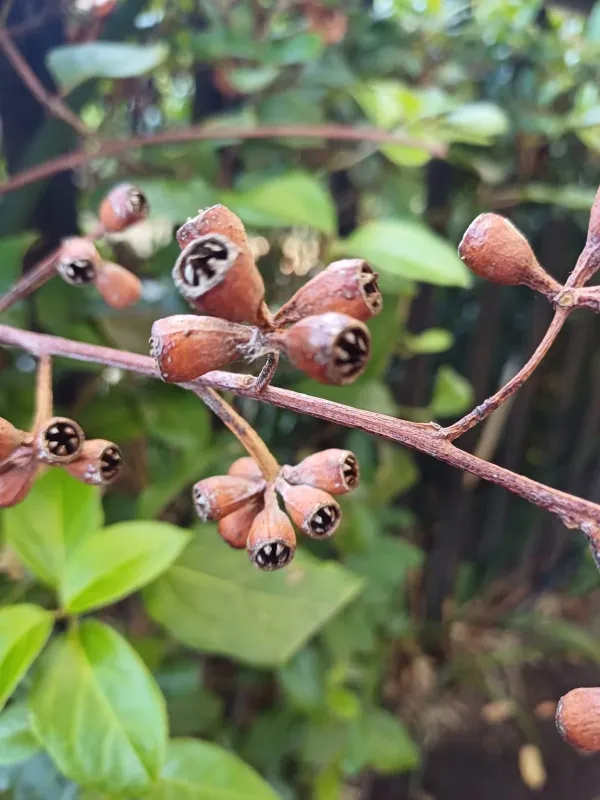
Description
Sowing dates
Eucalyptus grandis, a prominent member of the Myrtaceae family, is globally recognized as one of the most efficient species for high-yield timber production.
In nursery settings, seeds are typically sown in early spring, requiring warm temperatures and high-intensity lighting to ensure uniform germination.
Containerized seedling production is the industry standard, facilitating strong root development and high survival rates upon outplanting.
Seedlings are usually ready for field transplantation when they reach a height of approximately 30 centimeters, typically within 3 to 4 months of sowing.
Site preparation, including deep plowing and the addition of essential phosphorus fertilizers, is vital to provide the young trees with an optimal start.
Growing requirements
This species thrives in tropical and subtropical climates, preferring regions that are free from severe frosts and extreme cold temperatures.
It requires a consistent water supply, with annual rainfall between 1000 and 1500 mm being ideal to sustain its rapid growth rates throughout the year.
Well-drained, deep, and fertile soil is essential, as the species is highly susceptible to root damage caused by prolonged waterlogging.
Optimal soil acidity ranges from slightly acidic (pH 5.0) to neutral, ensuring that nutrients are readily available for the fast-growing tree.
Sufficient exposure to sunlight is crucial for the photosynthesis of the canopy, promoting the vertical growth characteristic of this species.
Yield
The yield potential of Eucalyptus grandis is exceptional, with trees reaching harvestable timber size within a relatively short period of 10 to 15 years.
Annual biomass production can reach significant volumes per hectare, making it a cornerstone for the global pulp and paper industry.
Strategic use of clonal propagation allows foresters to maximize wood uniformity and density, enhancing the value of the final harvest.
Beyond pulp, the timber is increasingly utilized for high-quality furniture, veneer, and construction purposes, proving its versatile economic utility.
Consistent management practices, including thinning and weed control, ensure that the growth potential is fully realized throughout the plantation cycle.
Main diseases and pests
Pest management is a critical aspect of Eucalyptus cultivation, as insects such as leaf beetles can cause significant foliage damage if left unchecked.
Fungal diseases like leaf spot and various root pathogens can flourish in humid conditions, necessitating strict sanitary protocols in the nursery.
In certain regions, termites pose a major threat to newly planted seedlings, requiring the application of protective measures during the early planting phase.
Environmental stress, including drought or water imbalance, can weaken the trees' natural defenses, making them more susceptible to local pests.
An integrated approach involving regular monitoring, biological controls, and site-specific maintenance is essential to mitigate these biological threats.
Harvesting
The harvest of Eucalyptus grandis is typically conducted using advanced mechanized logging systems to ensure efficiency and safety.
The species possesses an excellent ability to coppice, meaning it can regenerate from the stump after the primary harvest, reducing long-term costs.
Foresters often plan the harvest cycle based on specific timber diameter requirements for industrial processing, such as sawmilling or cellulose production.
Post-harvest management involves selecting the most vigorous coppice shoots to form the next generation, ensuring a continuous productive cycle.
Sustainability is maintained through careful handling of the forest floor, minimizing soil erosion and ensuring the land remains viable for subsequent rotations.