
Eucalyptus urophylla x viminalis
Eucalyptus urophylla x Eucalyptus viminalis
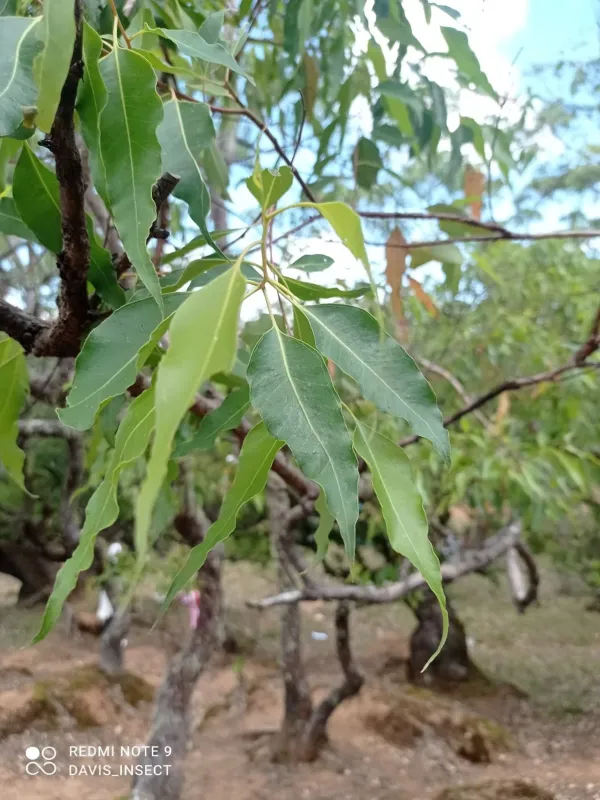
Description
Sowing dates
Eucalyptus urophylla x viminalis is predominantly propagated through vegetative cloning to ensure the consistency of desirable genetic traits in industrial plantations.
Planting is ideally scheduled for the start of the rainy season to provide seedlings with the essential moisture required for successful root establishment.
The spacing between plants is carefully calculated based on the specific end-use of the timber, typically ranging from 1100 to 1600 stems per hectare.
Site preparation, including deep subsoiling, is crucial to improve soil aeration and allow the young root systems to penetrate deep into the substrate.
Weed management is vital during the first year of growth to prevent resource competition, which could significantly stunt the early development of the trees.
Growing requirements
Belonging to the Myrtaceae family, this hybrid exhibits remarkable adaptation to tropical and subtropical climates, favoring consistent ambient warmth.
The trees thrive in deep, well-drained soils and are sensitive to waterlogged conditions, which can lead to root rot and poor tree health.
An annual rainfall of 1000–1500 mm is generally required for optimal growth, ensuring the trees maintain their high rate of biomass accumulation.
Full sun exposure is a non-negotiable requirement, as the hybrid exhibits high photosynthetic needs and grows poorly under canopy competition.
Soil pH levels should ideally be slightly acidic, as the hybrid is specifically selected for its ability to perform well on such common tropical soil types.
Yield
This hybrid is highly prized in the commercial sector for its superior growth rate, which significantly surpasses that of many pure-bred species.
Annual yields of 30 to 45 cubic meters of wood per hectare can be achieved under well-managed plantation conditions with optimal soil nutrition.
The typical rotation period for harvest ranges from 7 to 10 years, making it an economically viable option for pulp and paper industry investments.
The wood quality is characterized by uniform density, making it suitable for high-grade fiber production and various structural timber applications.
Due to its high resilience, the trees often show excellent stump sprouting capacity after harvest, facilitating subsequent regeneration cycles.
Main diseases and pests
Leaf-feeding insects represent a primary threat to young plantations, necessitating a rigorous monitoring program to prevent widespread defoliation.
Fungal leaf diseases can proliferate in high-humidity environments, requiring careful management of tree density to ensure proper airflow and light penetration.
Termites can become a significant issue in dry periods, necessitating targeted soil treatments prior to planting to protect young root systems.
Integrated Pest Management (IPM) strategies, including the use of resistant clones, are favored to maintain plantation health while minimizing chemical usage.
Continuous observation of the plantation for symptoms of stress is essential to address any biotic or abiotic factors before they cause significant yield loss.
Harvesting
The harvesting process involves clear-cutting operations, often mechanized by modern harvesters designed to process large volumes of biomass efficiently.
Post-harvest management is critical; specifically, the height of the remaining stumps should be carefully controlled to ensure vigorous regrowth.
Log removal from the site must occur promptly after felling to maintain wood moisture content and prevent degradation from exposure to elements.
Slash management after the harvest helps prevent potential fire hazards and improves the nutrient cycle for the next generation of eucalyptus growth.
Transportation logistics are a key component of the harvest plan, ensuring that the raw timber reaches the processing facilities in optimal condition.